Can You Paint Satin Over Eggshell? (Solved)
A fresh coat of paint can completely change the feel of a room, but choosing the right finish often raises just as many questions as picking a color.
One of the most common is if you can paint satin over eggshell without running into problems.
The good news is that you can, and it doesn't require a complicated process.
In this guide, we'll show you how to paint satin over eggshell paint, how to prepare your walls, and the simple steps that help you get a smooth, long-lasting finish.
Can You Paint Satin Over Eggshell?
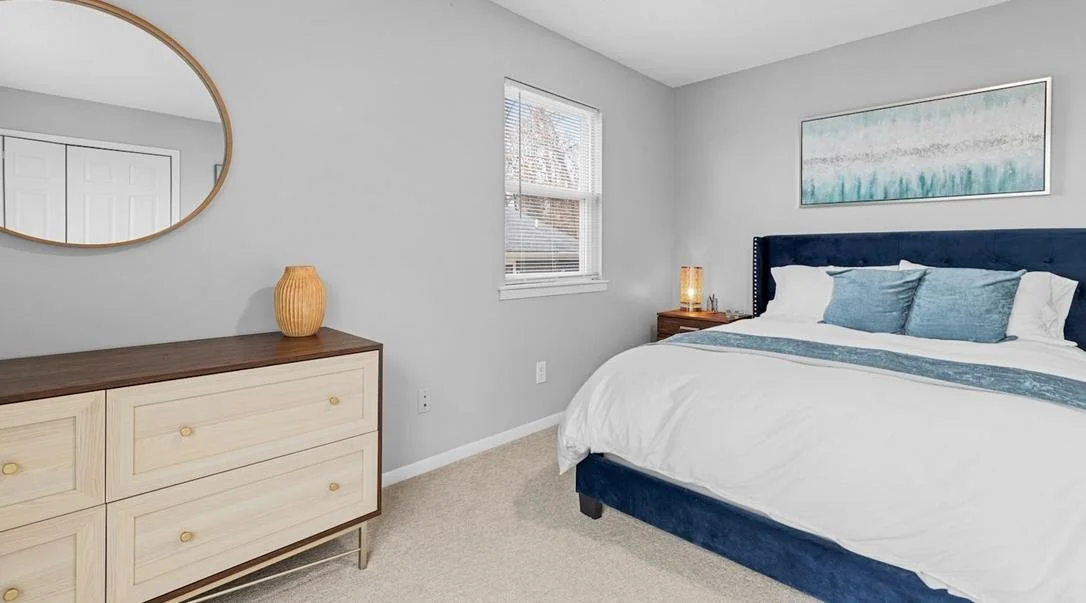
Yes, you can paint satin over eggshell paint. Because satin has a higher sheen level than eggshell, it will easily adhere to the surface as long as the wall is clean, dry, and free of glossy residue. To ensure proper adhesion and prevent peeling, lightly sand the eggshell finish with 220-grit sandpaper to create a "tooth" for the new paint, wipe away the dust, and apply your satin coat.
Plus, people do it all the time when updating bedrooms, hallways, kitchens, bathrooms, and other living spaces.
Eggshell and satin are both interior wall finishes, so they're compatible.
Also Read: Choosing the Right Paint Finish for Each Room
How To Paint Satin Over Eggshell
Painting satin over eggshell isn't difficult, but following the right steps makes a huge difference in the final result. Here’s how to do it:
Step 1: Clean The Surface
Before you think about painting, give the walls a good cleaning.
Even walls that look spotless can have dust, grease, fingerprints, cooking residue, or pet hair clinging to them. Paint doesn't stick very well to dirty surfaces, so skipping this step can lead to peeling or uneven coverage later.
Use warm water with a little mild dish soap for most rooms. In kitchens or other areas with grease buildup, a degreasing cleaner works even better.
Once the walls are clean, let them dry completely before moving on.
Step 2: Sand Lightly
This step surprises a lot of people.
You don't need to sand away the existing eggshell paint. Just dull the surface a little so the satin paint has something to grip.
A fine-grit sandpaper, around 180 to 220 grit, works perfectly for this. Use light pressure and go over the walls evenly.
After sanding, wipe away every bit of dust with a damp microfiber cloth or tack cloth. Any leftover dust can leave bumps in the finished paint.
Also Read: Can You Really Paint Over Wallpaper?
Step 3: Prime If Needed
Not every project needs primer, but sometimes it's a smart idea.
Primer is worth using if:
You're covering dark paint with a much lighter color.
You've repaired drywall holes or patched damaged areas.
The existing paint has stains or water marks.
The walls have uneven spots after repairs.
If your walls are clean, the eggshell finish is in great condition, and you're painting a similar color, many quality satin paints will cover just fine without primer.
Still, when in doubt, primer is cheap insurance. It often improves coverage and can reduce the number of finish coats you'll need.
Step 4: Apply The First Coat
Now comes the fun part.
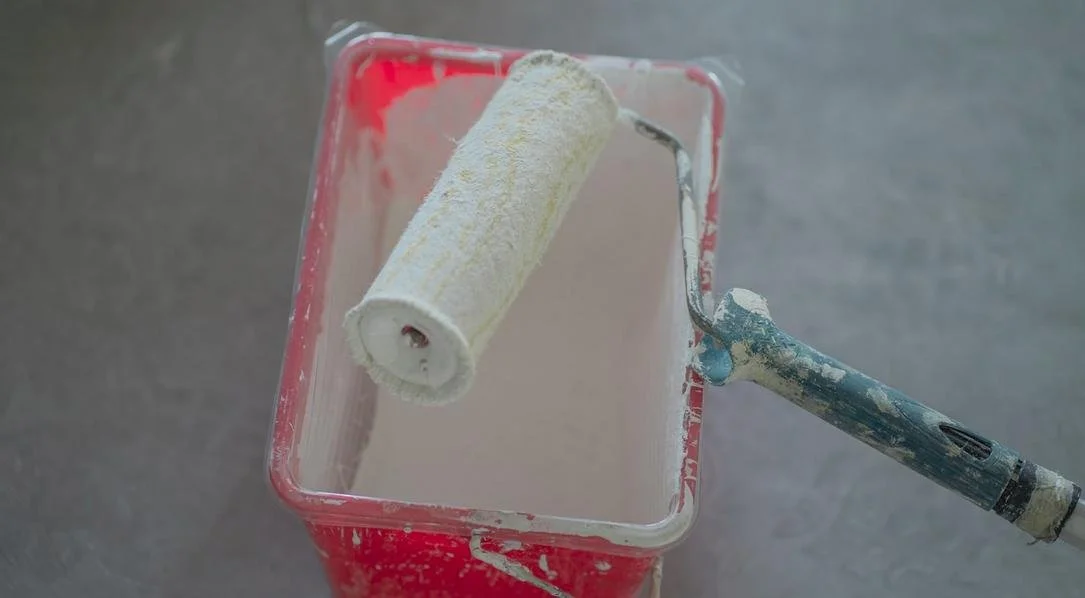
Start by cutting in around ceilings, trim, windows, and corners with a brush. Then use a roller for the larger wall areas.
Apply thin, even coats instead of trying to cover everything at once. Thick coats can leave roller marks, drips, and longer drying times.
Don't worry if the first coat looks a little streaky or patchy. That's completely normal, especially when changing colors or switching finishes.
Once you've finished the first coat, let it dry according to the paint manufacturer's instructions before moving on.
Step 5: Apply The Second Coat
The second coat is usually where everything comes together.
It evens out the color, improves durability, and gives the satin finish its smooth, consistent appearance.
Try to keep a wet edge while rolling so you don't leave visible lap marks. Use steady pressure and avoid overworking areas that have already started drying.
Also Read: Choosing the Right Sheen for Your Walls
After the second coat dries, give the paint several days to begin curing. Although it may feel dry to the touch, paint continues hardening for a while after application.
During that time, avoid scrubbing the walls or hanging heavy decorations that might damage the fresh finish.
When Should You Keep An Eggshell Finish Instead?
Satin isn't automatically the best choice for every room.
Sometimes eggshell is actually the better option, especially if you like a softer appearance or your walls aren't perfectly smooth.
You may want to stick with eggshell if:
Your walls have visible patches, dents, or other imperfections.
The room doesn't get much traffic.
You prefer a softer, less reflective finish.
It's a bedroom or formal living room where durability isn't the highest priority.
Eggshell does a great job of hiding small flaws because it reflects less light. That's one reason builders use it so often in living rooms and bedrooms.
Satin, on the other hand, shines a little more.
That extra sheen makes it easier to wipe away fingerprints, scuff marks, and everyday messes. It's often a great fit for hallways, children's rooms, bathrooms, laundry rooms, and kitchens where walls tend to need more frequent cleaning.
Bottom Line
Yes, you can absolutely paint satin over eggshell, and it's a project that most homeowners can tackle with a little patience.
The secret isn't buying a special kind of paint. It's putting in the effort before you start painting. Clean the walls, sand them lightly, use primer if your situation calls for it, and apply two even coats of satin paint.
These steps help create a finish that looks smooth, lasts longer, and holds up to everyday wear.
If you want walls that are easier to clean and don't mind a bit more shine, satin is a solid upgrade from eggshell.