Can You Paint Semi Gloss Over Flat Paint?
If you're looking to freshen up a room and want a finish that's easier to clean, you might be wondering if you can paint semi gloss over flat paint.
The short answer is yes, you absolutely can.
In fact, it's a pretty common painting project. Many homeowners decide to replace flat paint with semi-gloss in kitchens, bathrooms, laundry rooms, or even on trim because semi-gloss stands up better to moisture and everyday wear.
Plus, flat paint actually provides a nice surface for semi-gloss to stick to.
That said, taking a little time to prepare the wall can make the difference between a finish that lasts for years and one that starts peeling or looking uneven after a short time.
In this post, we’ll show you how to paint semi gloss over flat paint.
Can You Paint Semi Gloss Over Flat Paint?
Yes, you can paint semi gloss over flat paint without any major problems. Since flat paint has a slightly porous texture, it gives the new paint something to grip onto.
That's one reason many painters find it easier to paint over flat finishes than glossy ones.
Still, not every wall is in perfect shape.
If the flat paint is peeling, dirty, chalky, or damaged, you'll want to fix those issues first.
Semi-gloss has a shiny finish that reflects light, so anything hiding on the wall, from dents to patches to roller marks, can suddenly become much more noticeable.
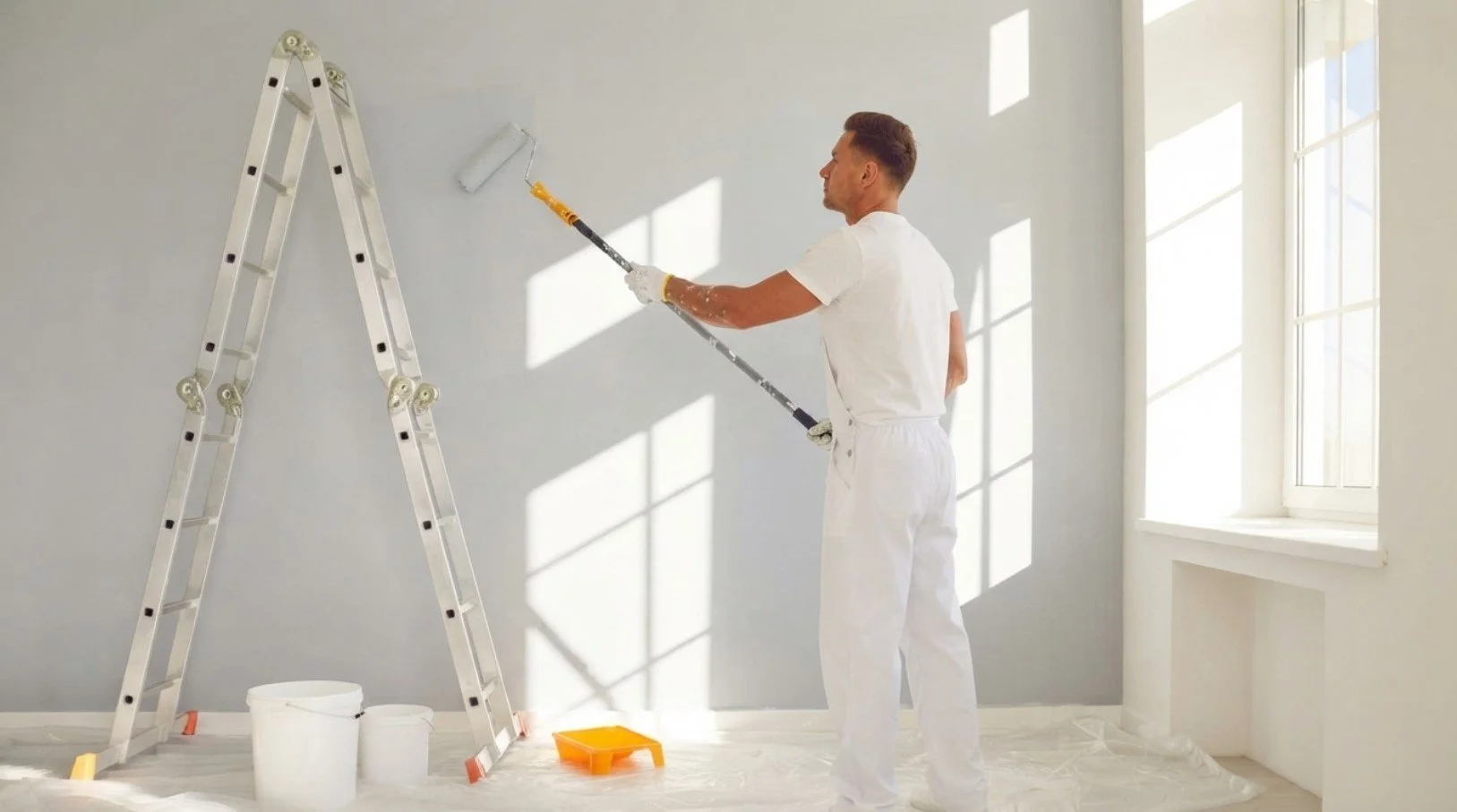
If the existing paint is in good condition and the surface is clean, you can usually move straight into prep work and painting. If there are stains, repairs, or dramatic color changes involved, adding a primer first is a smart move.
Also Read: Can You Paint Satin Over Semi-Gloss?
How To Paint Semi Gloss Over Flat Paint
Painting over flat paint isn't difficult, but following the right steps will give you a smoother finish and better durability.
Here’s a step by step guide:
#1 Clean The Surface
Before anything else, clean the walls thoroughly. Dust, cooking grease, fingerprints, and everyday grime can all interfere with how well the new paint sticks.
A mild soap and water solution works well for most walls.
For kitchens or other greasy areas, you may need a stronger cleaner designed to cut through built-up oils.
Once the wall is clean, let it dry completely before moving on. Painting over damp surfaces can lead to adhesion problems later.
#2 Repair Any Damage
Take a few minutes to inspect the wall closely.
Fill nail holes, dents, cracks, or small imperfections with spackling compound and let it dry according to the manufacturer's directions.
Also Read: Magnum Project Painter Plus Not Priming
After the repairs dry, sand them smooth so they blend into the surrounding wall.
This step might seem small, but it helps create a much more professional-looking finish once the semi-gloss goes on.
Remember, shiny paint has a way of showing every little flaw, so now is the time to fix them.
#3 Lightly Sand If Needed
You don't always have to sand an entire flat-painted wall, but it's a good idea if the surface feels rough or has noticeable texture.
Use fine-grit sandpaper and gently smooth any uneven areas. You're not trying to remove the existing paint. Instead, you're creating a consistent surface for the new coat.
After sanding, wipe the walls with a damp microfiber cloth or tack cloth to remove all the dust.
Even a small amount of leftover dust can leave bumps in your fresh paint.
#4 Apply Primer (If Necessary)
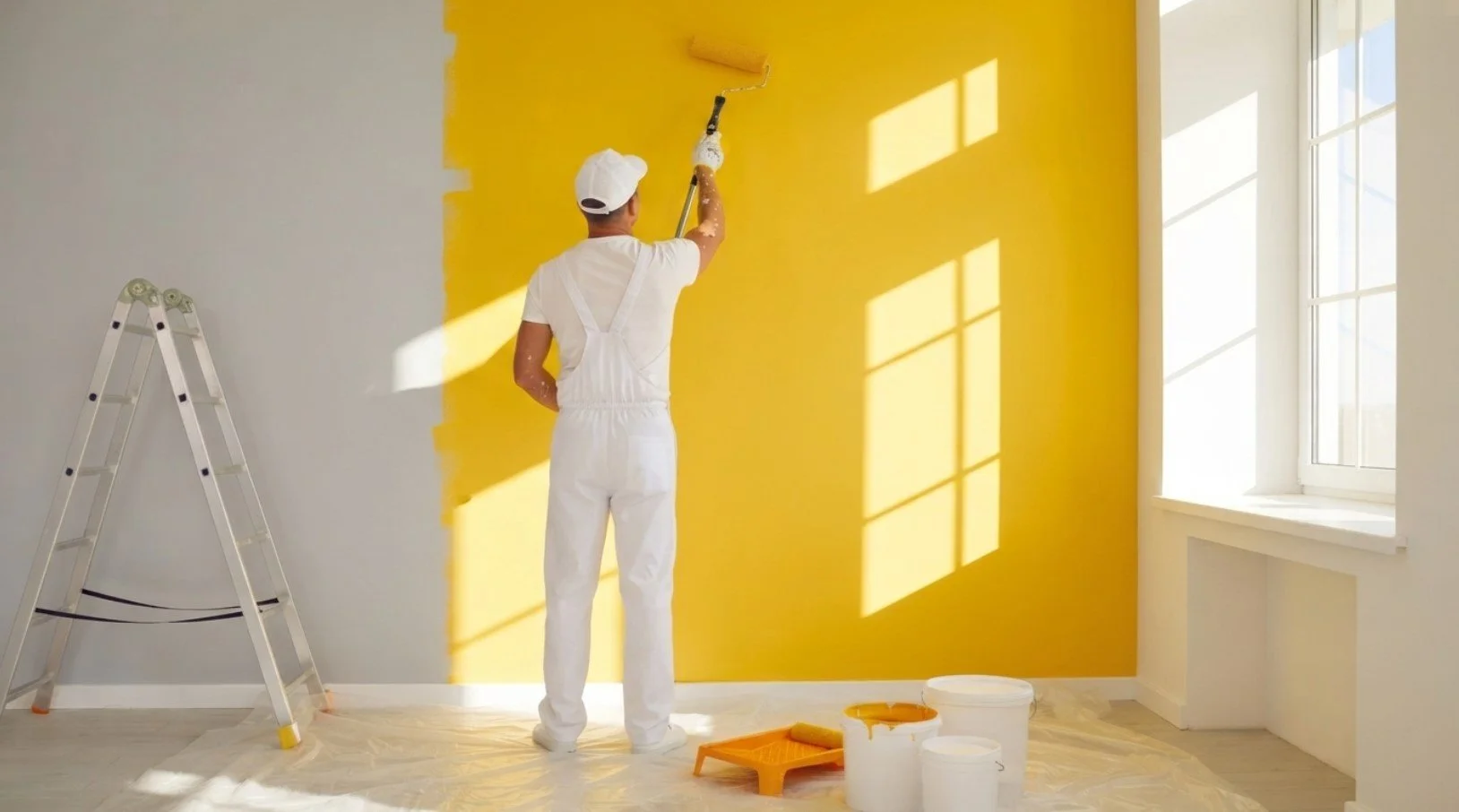
Primer isn't required for every project, but there are situations where it's definitely worth using.
Consider applying primer if:
The wall has stains or water damage.
You've made several repairs.
You're covering a very dark color with a lighter one.
The existing paint is old or chalky.
You're unsure how well the old paint is bonded to the wall.
A quality primer helps create a uniform surface, improves paint adhesion, and can even reduce the number of finish coats you'll need.
If your flat paint is relatively new, clean, and in excellent condition, you can often skip this step.
Also Read: Paint Not Sticking To Primer
#5 Paint With Semi Gloss
Now comes the fun part.
Use a high-quality roller for large walls and a good angled brush for cutting around corners, ceilings, and trim.
Apply thin, even coats instead of trying to cover everything at once.
Most projects will need two coats of semi-gloss for the best color and sheen. Allow the first coat to dry completely before applying the second. Rushing this step can leave streaks, roller marks, or uneven shine.
Once the second coat dries, you'll have a durable finish that's much easier to wipe clean than flat paint.
Common Mistakes To Avoid
Getting a smooth, professional-looking finish is often about avoiding a few common mistakes. Please avoid:
Painting over dusty, dirty, or greasy walls without cleaning them first.
Skipping repairs for nail holes, dents, cracks, or other surface imperfections.
Failing to sand patched areas before painting.
Applying thick coats instead of multiple thin, even coats.
Using the wrong roller nap or paintbrush for the surface.
Not allowing enough drying time between coats.
Skipping primer when the surface needs it.
Painting in very hot, cold, or humid conditions, which can affect the finish.
Taking a little extra time during preparation and painting can make a big difference in the final result.
Will Semi Gloss Look Different Over Flat Paint?
Yes. The biggest difference you'll notice is the amount of light the surface reflects.
Flat paint has a soft, muted appearance that hides minor imperfections. Semi-gloss, on the other hand, has a noticeable shine that brightens the room and makes walls easier to clean.
That extra shine also means bumps, patches, roller marks, and uneven textures become more visible.
This isn't a problem if you've prepared the wall properly, but skipping prep work can leave you disappointed with the final appearance.
On the positive side, semi-gloss is much more resistant to moisture and repeated cleaning.
If you're making the switch from flat paint, expect the room to look brighter and a bit more polished once everything is finished.
Bottom Line
Yes, you can paint semi-gloss over flat paint. Because flat paint is porous, it provides an excellent base for adhesion. However, because semi-gloss highlights imperfections, you must clean, lightly sand, and prime the surface first to ensure a smooth, uniform finish.
Once the job is complete, you'll have walls that are more durable, easier to clean, and ready to handle everyday life without much fuss.
Sometimes a little prep work really does go a long way.