Can You Tile Over Paint? (Explained)
Thinking about installing tile over a painted wall? You're definitely not the first person to ask.
It seems like an easy way to save time during a renovation, especially if the existing paint still looks pretty good.
The problem is that paint isn't always the ideal surface for tile adhesive, so jumping straight into the project can lead to loose tiles later on.
In this post, you'll learn when it's perfectly fine to tile over paint, when it's better to avoid it, and how to prepare a painted wall so your new tiles stay securely in place for years.
Can You Tile Over Paint?
Yes, you can tile over paint, but there's a catch. The painted surface has to be in good condition, and you need to prepare it properly before you start sticking tiles to it.
A lot of people assume tile adhesive will grab onto anything.
Unfortunately, paint doesn't always provide the best surface for a strong bond.
If the paint is loose, glossy, or already starting to peel, the adhesive is only as strong as the paint underneath. That means your beautiful new tiles could eventually come loose.
The good news is that if the paint is solid, firmly attached to the wall, and you spend a little time preparing it, tiling over it can save you from stripping the entire wall back to bare plaster or drywall.
Also Read: Fresh Paint Colors for the Living Room
When Is It Safe To Tile Over Paint?
A painted wall is usually suitable for tiling if it checks these boxes:
The paint is firmly bonded with no peeling or bubbling.
The wall is clean, dry, and free of grease or dust.
The paint has been sanded to create a rougher surface.
The wall itself is solid with no cracks or movement.
Latex and acrylic paints can often be tiled over after proper preparation.
Older oil-based paints can also work, but they usually need more sanding because they're much smoother and harder for adhesive to grip.
If you're unsure how well the paint is attached, try pressing masking tape firmly onto the surface and pulling it away. If paint comes off with the tape, it's not ready for tile installation.
When You Should NOT Tile Over Paint
There are times when painting over an existing surface simply isn't worth the risk. Here are the most common situations where tiling over paint isn't a good idea:
Peeling Or Damaged Paint
This is probably the biggest red flag.
If the paint is flaking, blistering, cracking, or peeling away from the wall, it isn't providing a reliable base. Even the strongest tile adhesive can't hold onto paint that's already losing its grip.
The damaged paint needs to be scraped away completely. Once you've removed all the loose material, repair the surface if needed before thinking about tiling.
Also Read: How to Paint a Popcorn Ceiling
Skipping this step might save time today, but it can easily lead to loose tiles a few months or years down the road.
Glossy Paint Without Preparation
Glossy paint looks nice, but it creates one of the slickest surfaces inside a home.
Tile adhesive struggles to stick to shiny finishes because there's very little texture to grab onto. If you install tiles directly over glossy paint, the bond may not be strong enough to support them long term.
The solution is simple. Sand the surface until the shine is gone. You don't have to remove all the paint. You just need to rough it up enough to help the adhesive grip properly.
Cleaning away all the sanding dust afterward is just as important.
Moisture-Damaged Walls
Paint that's been exposed to leaks or long-term moisture often hides bigger problems underneath.
You might notice bubbling paint, stains, soft drywall, mold, or a musty smell. These are signs that water has already affected the wall.
Adding tiles on top won't solve the moisture issue. In fact, it can trap moisture behind the tiles and allow the damage to continue unnoticed.
Always fix the source of the water first.
Once the wall is completely dry and repaired, you can move forward with your tiling project.
Also Read: What Should You NOT Use 30 Second Cleaner On?
Unstable Or Crumbling Surfaces
Sometimes the problem isn't the paint at all. It's the wall behind it.
If the plaster is crumbling, the drywall is soft, or the wall flexes when you press on it, it's not strong enough to support tile.
Tiles add significant weight, especially ceramic, porcelain, and natural stone. Installing them over a weak surface increases the chance of cracks, loose tiles, and expensive repairs later.
Repair or replace the damaged wall before installing anything.
How To Prepare A Painted Wall For Tiling
Good preparation is what separates a tile job that lasts for decades from one that starts failing after a short time.
Here’s how to prepare the wall for tiling over paint:
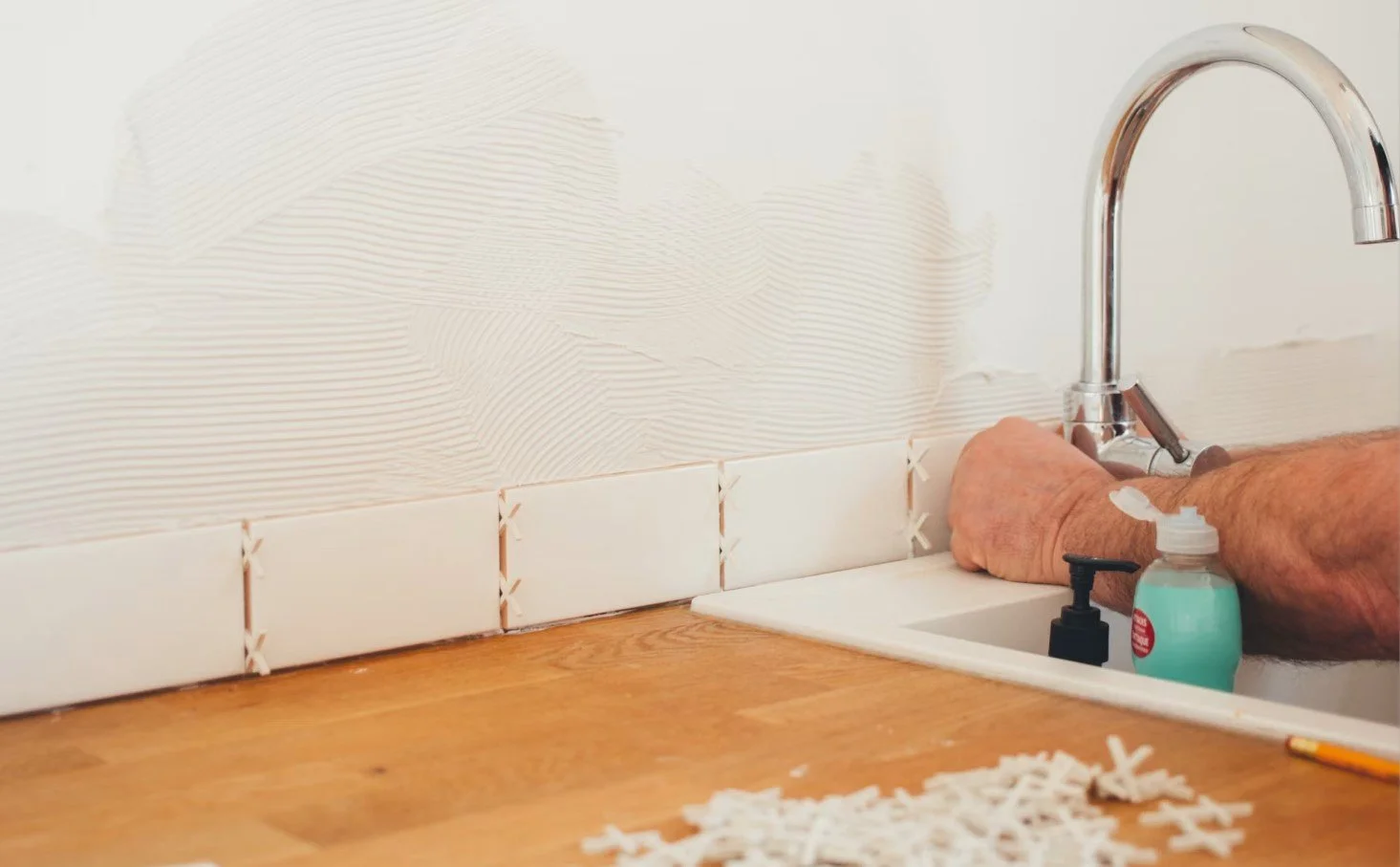
Clean the wall thoroughly to remove grease, soap residue, dust, and other contaminants, then let it dry completely.
Scrape away any loose or peeling paint and fill any holes or dents with a suitable wall filler.
Sand the painted surface lightly to create a rough texture, paying extra attention to glossy paint.
Remove all sanding dust with a vacuum or a clean, damp cloth before applying adhesive.
Finally, use a quality tile adhesive that's designed for wall installations and follow the manufacturer's instructions for mixing and application.
Taking your time during this stage can make a huge difference in how well the finished tiles stay in place.
Can You Tile Over Painted Walls In Bathrooms Or Showers
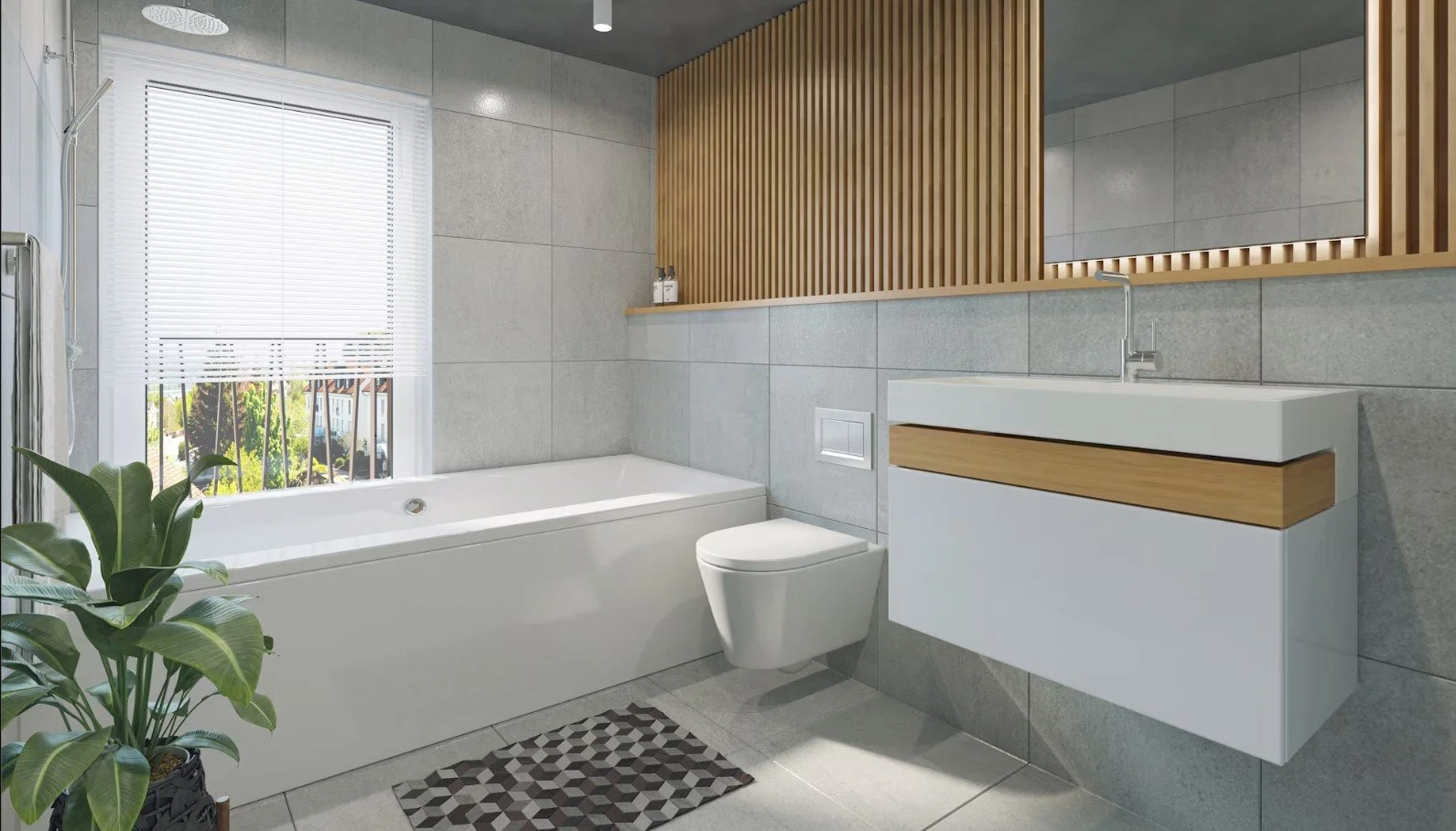
For general bathroom walls that don't get soaked every day, tiling over properly prepared paint is often acceptable.
The wall still needs to be clean, solid, and well sanded, but many installations perform perfectly well under these conditions.
But shower walls experience constant water exposure, so professionals usually recommend installing tile over cement backer board or another waterproof tile substrate instead of painted drywall.
These materials are designed to handle moisture far better than painted walls ever could.
Even if the painted wall looks perfectly fine today, daily water exposure can eventually weaken the paint layer underneath.
Bottom Line
Yes, you can tile over paint, but it is highly discouraged by professional tiling standards because the weight of the tiles can pull the paint off the wall. If you must tile over paint, the surface must be structurally sound, sanded to remove glossy finishes, and coated with a specialized tile-bonding primer.
Also, peeling paint, moisture damage, glossy finishes that haven't been sanded, or weak walls should never be covered with tile.
Fix those problems first instead of hoping the tiles will hide them.
A little extra preparation takes some time, but it's far easier than replacing loose or cracked tiles after the job is finished.