Paint Smells Like Rotten Eggs? (Here’s Why)
You open a fresh can of paint expecting that familiar paint smell, but instead, you get hit with something that smells like rotten eggs.
Not exactly the fresh makeover feeling you were hoping for.
While a little paint odor is normal, a strong sulfur-like smell is usually a sign that something isn't quite right.
The good news is you don't have to guess what went wrong.
In this guide, we'll break down the common reasons paint smells like rotten eggs, how to figure out the source, and what you can do to fix it.
What Does Paint Smell Like Rotten Eggs?
A rotten egg smell is usually linked to sulfur compounds.
Unlike the normal odor that comes from fresh paint, this smell is much stronger, unpleasant, and often sticks around longer than expected.
If the odor is coming directly from the paint can, there's a good chance the paint has spoiled.
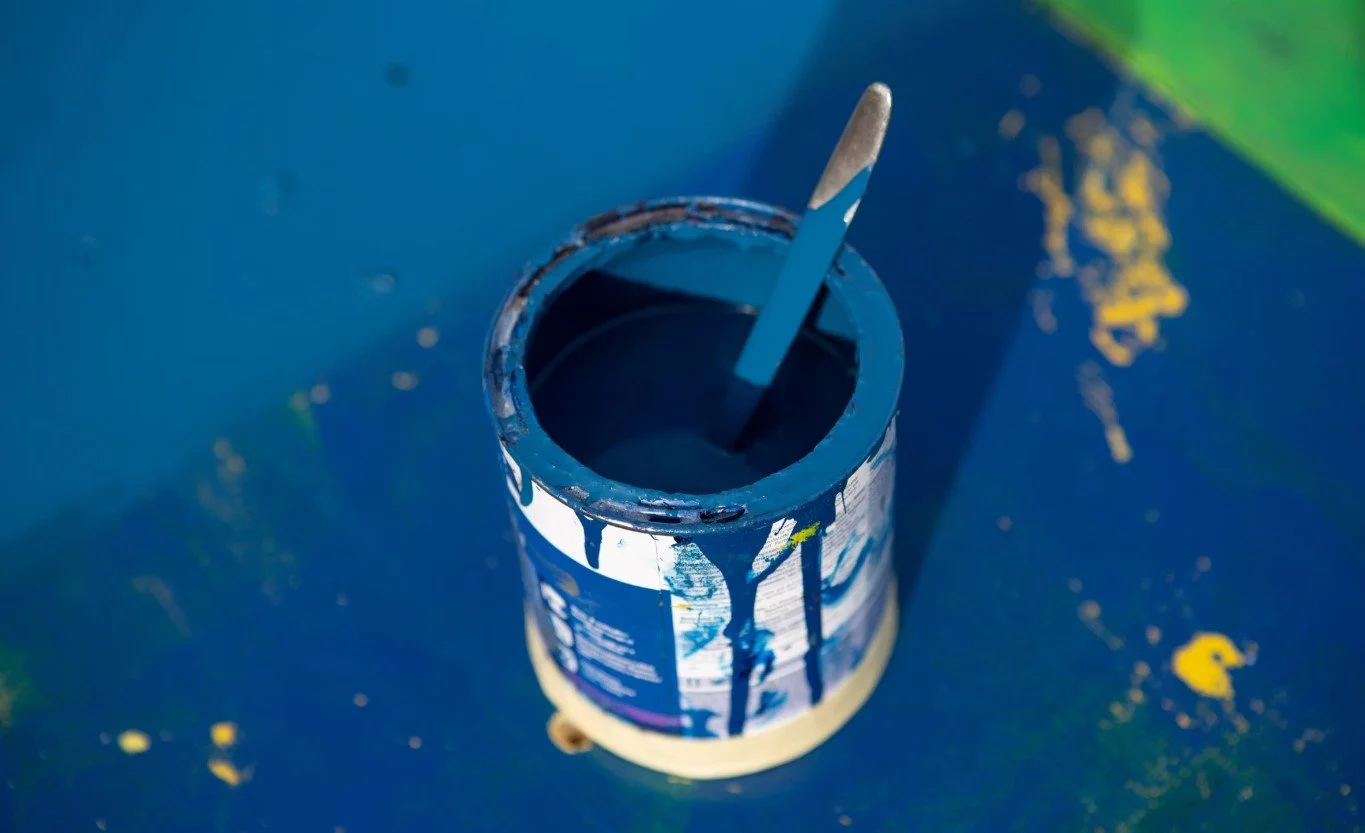
Let us explain:
Bacterial Growth In Water-Based Paint
This is one of the most common reasons paint develops a rotten egg smell.
Water-based paints contain ingredients that can support bacterial growth over time. If a paint can has been opened before, contaminated with a dirty brush, or stored in a hot garage for months, bacteria may begin growing inside the paint.
Also Read: What Should You NOT Use 30 Second Cleaner On?
As these bacteria break down certain ingredients, they release sulfur compounds that create the familiar rotten egg odor.
Spoiled paint often shows other warning signs too. You may notice:
A sour or sewage-like smell instead of a normal paint odor.
Lumps, thick strings, or an unusual texture.
Paint that won't mix back together properly.
Once paint reaches this point, it's best to replace it instead of trying to use it anyway.
Contaminated Or Expired Paint
Paint doesn't last forever. Even unopened cans have a shelf life, and poor storage conditions can shorten it even more.
Extreme heat, freezing temperatures, or repeated temperature swings can damage the paint's ingredients. Eventually, the paint starts breaking down, which may produce unusual odors and affect how well it covers your walls.
If you've had a can sitting around for years, take a close look before using it.
A quick stir won't fix paint that's already spoiled.
It's also possible, although less common, for paint to become contaminated during manufacturing or shipping.
If a brand-new can smells terrible the moment you open it, consider returning it to the retailer instead of using it.
Surface Or Wall Issues
Sometimes the paint is perfectly fine, but the wall underneath has its own problems.
If moisture is trapped inside drywall or behind wood panels, mold and mildew can begin growing out of sight. Once fresh paint seals the surface, those odors may become more noticeable.
Old stains, water damage, or chemical residues from previous coatings can also react after repainting, producing strange smells that seem like they're coming from the fresh paint.
If the smell only appears in one section of the room, inspect that area carefully for signs of water damage.
Also Read: Can You Paint Eggshell Over Satinwood?
Peeling paint, soft drywall, discoloration, or bubbling surfaces often point to moisture problems hiding underneath.
Painting over these issues won't solve them. The source needs to be fixed first.
Plumbing Or Gas-Related Misdiagnosis
Sometimes the timing is just a coincidence.
You finish painting a bathroom, laundry room, or kitchen, and suddenly there's a rotten egg smell. Naturally, you blame the paint. In reality, the odor could be coming from a nearby plumbing fixture or gas line.
Some possible sources include:
A dry drain trap allowing sewer gases into the room.
Plumbing vents with drainage problems.
A natural gas leak, since utility companies add a sulfur smell for safety.
If the smell seems stronger near drains, sinks, or gas appliances instead of the painted walls, stop focusing on the paint and investigate those areas instead.
BTW, a suspected gas leak should always be treated as an emergency!
Is It Safe To Use Paint That Smells Like Rotten Eggs?
In most situations, no.
If the paint itself smells like rotten eggs, it's usually a sign that something has gone wrong inside the can. Using spoiled paint can lead to poor coverage, uneven drying, adhesion problems, and lingering odors that refuse to disappear.

Beyond the disappointing finish, there's also no guarantee the paint will perform as it should.
After spending hours preparing and painting a room, the last thing you want is to repaint everything because the original paint had gone bad.
If you're unsure, compare it with a fresh can of the same paint. The difference is often obvious.
Can You Fix Or Save The Paint?
Unfortunately, no.
Once bacteria have contaminated the paint or the ingredients have broken down, there's really no reliable way to restore it.
Some people try adding water, mixing in odor eliminators, or stirring the paint for several minutes. None of these methods solve the underlying problem.
At best, they temporarily mask the smell. At worst, they leave you with a poor-quality paint job.
Your best option is to dispose of the spoiled paint according to your local disposal guidelines and buy a fresh can.
Also Read: Drywall Mud Showing Through Paint
It may feel wasteful, but it's still much cheaper than repainting an entire room later.
How To Get Rid Of The Smell After Painting
If you've already painted and the smell won't go away, start by figuring out where it's coming from.
If the paint was spoiled, repainting with fresh paint after removing the failed coating may be necessary. If the smell comes from moisture or mold, fixing the water issue should be your first priority.
For general odor removal, a few simple steps can help speed things up:
Open windows and doors to improve ventilation.
Use fans to keep fresh air moving through the room.
Place bowls of baking soda or activated charcoal nearby to absorb lingering odors.
If the smell sticks around for several days despite good ventilation, it's time to investigate further. Persistent sulfur odors rarely disappear on their own, and they're often a clue that something else needs attention.
Bottom Line
A rotten egg smell is never considered a normal paint odor. Most of the time, it points to spoiled water-based paint, bacterial contamination, or paint that's simply too old to use.
In other situations, the smell may come from hidden moisture, mold, plumbing issues, or even a gas-related problem.
So spend a few minutes tracking down the source. Once you know what's causing it, choosing the right solution becomes much easier.
Fresh, properly stored paint shouldn't smell like rotten eggs.