What Should You NOT Use 30 Second Cleaner On?
30 Second Cleaner has become a go-to product for tackling dirt, mold, mildew, and algae on outdoor surfaces.
It's quick, easy to use, and can make patios, decks, driveways, and siding look almost brand new with very little effort. That's exactly why so many homeowners keep a bottle on hand.
That said, just because it's powerful doesn't mean it's suitable for every surface around your home. Using it in the wrong place can leave you dealing with stains, discoloration, damaged finishes, or even dead plants.
In this guide, we'll go over 10 surfaces you should NOT use 30 second cleaner on.
A few extra minutes spent checking if it's safe can save you from an expensive mistake later.
#1 Untreated Or Unfinished Wood
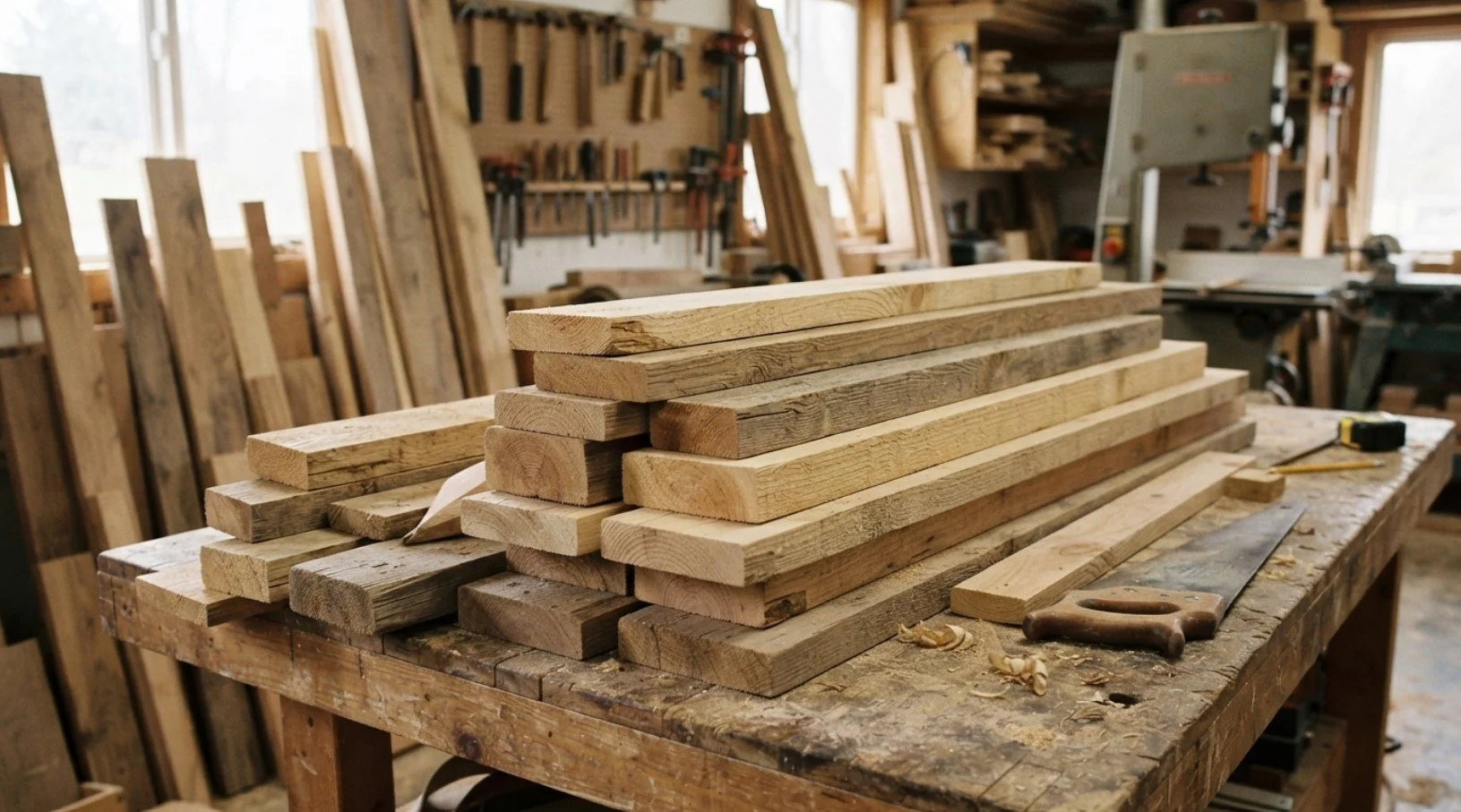
Untreated wood is one of the biggest no-go areas for 30 Second Cleaner.
Since the wood hasn't been sealed or protected, it absorbs liquids much more easily.
That means the cleaner can soak into the fibers and cause discoloration, fading, or even weaken the surface over time.
If you need to clean unfinished wood, stick with a gentle wood cleaner or a mild soap and water solution instead. It's a slower approach, but it helps preserve the natural appearance and keeps the wood in good condition.
Also Read: Can You Paint Eggshell Over Satinwood?
#2 Natural Stone
Natural stone might look incredibly durable, but many types are surprisingly delicate when it comes to strong cleaning products.
Marble, limestone, travertine, and sandstone are especially sensitive.
Using 30 Second Cleaner on these materials can leave behind dull spots, stains, or etched areas that are almost impossible to reverse. Even if the damage isn't obvious right away, repeated cleaning can gradually wear down the surface.
If you're cleaning natural stone, choose a cleaner made specifically for stone.
These products are designed to remove dirt without harming the finish.
#3 Aluminum
You should not use 30 second cleaner on aluminum surfaces too.
Aluminum doesn't always react well to strong outdoor cleaners. In some cases, it can become discolored, develop a chalky appearance, or start oxidizing after exposure.
This is especially important if you're cleaning gutters, outdoor furniture, or aluminum trim.
If you're unsure about the material, it's always worth checking the manufacturer's recommendations first.
A quick spot test on a hidden section can also help you avoid an unpleasant surprise.
#4 Copper And Brass
Copper and brass naturally develop a unique finish over time, but harsh cleaners can interfere with that process.
Also Read: Can You Paint Satin Over Eggshell?
Instead of making these metals look cleaner, 30 Second Cleaner may leave them looking dull or tarnished which is why we recommend you avoid it.
Decorative fixtures, garden ornaments, and outdoor lighting are common items made from these materials.
If you want them looking their best, use a cleaner specifically designed for copper or brass instead of a general outdoor cleaner.
#5 Fabric Or Clothing
This one might sound obvious, but accidents happen all the time.
If 30 Second Cleaner lands on outdoor cushions, clothing, canvas covers, or fabric furniture, there's a good chance it will leave permanent bleach marks or discoloration.
If you accidentally splash some onto fabric, rinse it immediately with plenty of clean water. Acting quickly gives you the best chance of reducing the damage, although some stains may still remain.
It's also a good idea to wear old clothes while using the cleaner, just in case a little overspray comes your way.
#6 Car Paint
Your car's paint finish isn't designed to handle powerful outdoor cleaning chemicals.

Spraying 30 Second Cleaner onto a vehicle can strip away protective wax and may even affect the paint itself if it sits too long.
The same goes for motorcycles, bicycles, trailers, and other painted vehicles parked nearby while you're cleaning your driveway or house.
If you're working close to your vehicle, move it first or cover it to protect it from overspray.
#7 Indoor Surfaces
Most versions of 30 Second Cleaner are intended for outdoor use only. That means they aren't formulated for kitchen counters, bathroom walls, indoor floors, or furniture.
Indoor cleaning products are designed differently, especially when it comes to ventilation and residue.
Using an outdoor cleaner inside your home can create unnecessary risks and may damage interior finishes.
If you're cleaning indoors, reach for a product that has been specifically made for indoor surfaces.
Also Read: Drywall Mud Showing Through Paint
#8 Food-Contact Surfaces
Anything that regularly comes into contact with food should be treated with extra care.
Grills, cutting boards, outdoor kitchen counters, picnic tables used for meal preparation, and serving surfaces aren't good candidates for 30 Second Cleaner unless the product label clearly says it's safe and provides proper rinsing instructions.
Chemical residue is something you never want lingering where food is prepared or served.
Even after cleaning, it's much safer to use products intended for food-contact areas.
When in doubt, choose a food-safe cleaner and rinse thoroughly after use.
#9 Plants And Grass Without Protection
One of the most common mistakes people make is forgetting about the landscaping around the area they're cleaning. The cleaner can easily drift onto flowers, shrubs, grass, and other plants, causing leaves to brown or even killing sensitive plants.
Thankfully, protecting your garden is pretty simple.
Before you begin cleaning, thoroughly soak nearby plants with water. This helps dilute any accidental overspray.
After you've finished, rinse the plants again to wash away any remaining cleaner.
A little preparation can make all the difference.
#10 Aquariums, Ponds, Or Waterways
30 Second Cleaner should never enter ponds, streams, lakes, aquariums, or other bodies of water. Even small amounts can be harmful to fish, aquatic plants, and other wildlife.
Be especially careful if you're cleaning near decorative ponds or water features in your yard.
Try to direct runoff away from these areas and avoid spraying on windy days when drift is more likely.
Protecting nearby water sources is just as important as protecting the surfaces you're cleaning.
Bottom Line
You should not use 30 SECONDS Outdoor Cleaner on automobiles, indoor surfaces, bathrooms, or untreated fabrics and clothing.
Because it contains sodium hypochlorite (bleach), you must avoid letting it dry on glass to prevent etching, and avoid prolonged contact with raw metals to prevent corrosion.
And do not spray it directly onto plant foliage or allow runoff to enter swimming pools.
30 Second Cleaner is an excellent product when it's used on the right surfaces, but it's definitely not a one-size-fits-all solution. Before spraying anything, take a moment to think about the material you're cleaning and anything nearby that could be affected.