Can You Paint Over Rusted Metal?
Seeing rust spread across a metal gate, patio chair, or outdoor fixture is frustrating, and it is tempting to just slap a fresh coat of paint over it and call it a day.
But if you brush paint directly over loose, flaking rust, you are essentially painting over a ticking time bomb.
The corrosion will keep spreading underneath and destroy your new paint job within months.
In this post, we’ll show you how to paint over rusted metal like a PRO.
Can You Paint Over Rusted Metal?
Yes, you can paint over rusted metal. But there’s a catch. You can’t expect great results if you simply grab a paintbrush and cover rusty spots without doing any prep work.
Rust is more than a stain sitting on top of the metal. It’s a sign that the metal has started breaking down.
If you paint over loose or active rust, the corrosion keeps spreading under the paint. Before long, the finish starts bubbling, cracking, or peeling. Then you're right back where you started.
The good news is that most rusted metal can be saved if it's still structurally sound.
This works for all kinds of metal items including patio furniture, fences, railings, metal doors, toolboxes, mailboxes, and gates. Even outdoor equipment can all be painted after proper preparation.
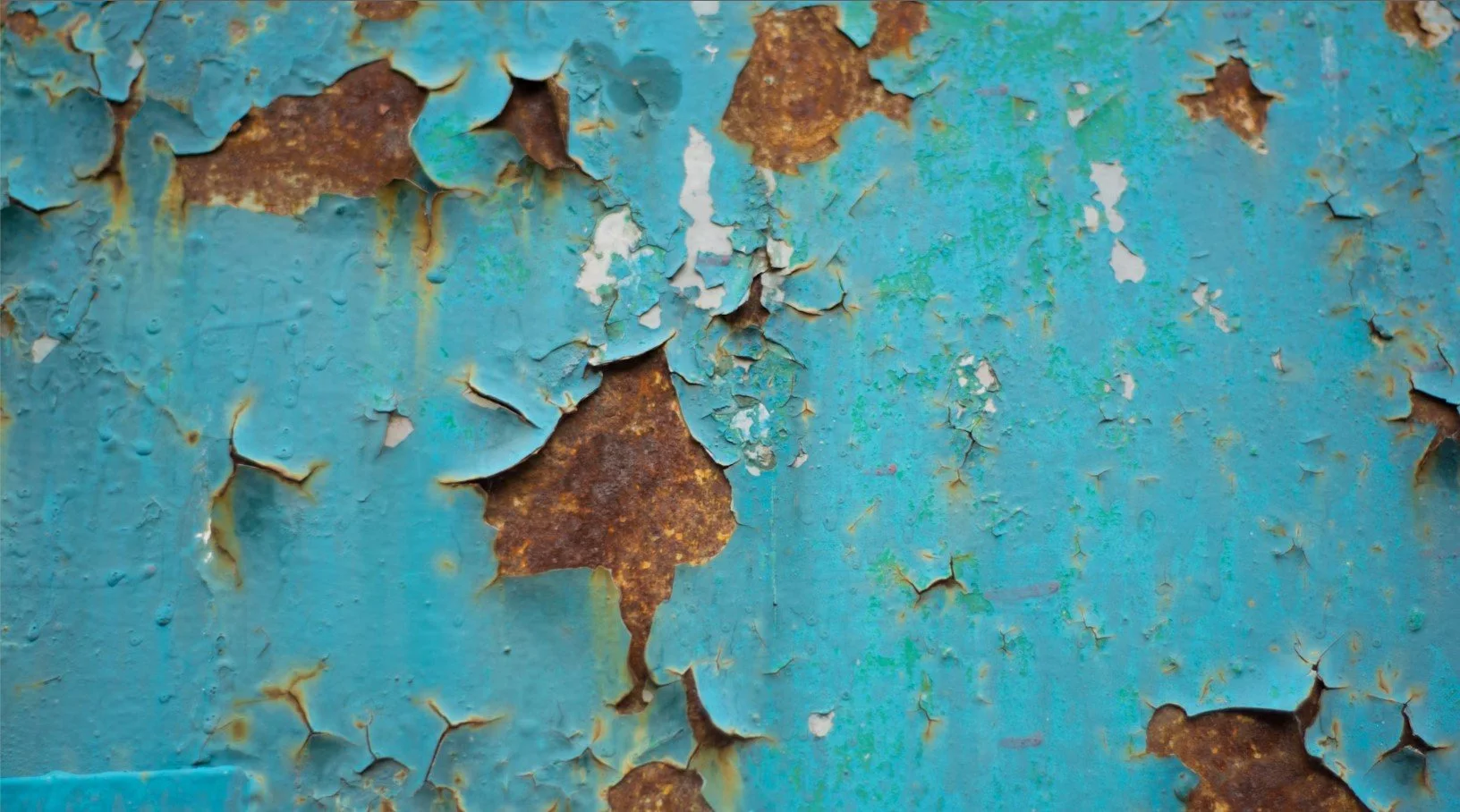
If the metal has rusted completely through or has large holes, painting won't solve the problem. In that case, repairing or replacing the damaged section is usually the better choice.
Also Read: Zinsser 123 Primer Problems
What Happens If You Paint Directly Over Rust?
Painting directly over rust might seem like a shortcut, but it usually creates more work later.
Rust doesn't stop growing just because you covered it with paint. Moisture and oxygen can still reach the metal through tiny cracks and imperfections.
The corrosion keeps spreading underneath the paint, slowly lifting it away from the surface.
Skipping surface preparation often leads to:
Peeling paint within months
Rust continuing to spread underneath
Uneven finishes with rough patches
More frequent repainting and repairs
Taking a little extra time before painting usually saves hours of work later.
How To Prepare Rusted Metal Before Painting
Good preparation is the secret to a paint job that lasts. Thankfully, it isn't complicated.
Here’s how we recommend painting over rusted metal:
#1 Remove Loose Rust
Start by removing as much loose rust as you can.
A wire brush works well for light rust. Sandpaper is another good option for smoothing rough areas. If you're dealing with heavy rust, an angle grinder with a wire wheel can speed things up.
Remove all the loose, flaky material until you're left with solid metal and tightly bonded rust.
If there's old peeling paint, scrape that off too. Leaving loose paint behind causes the same problems as leaving loose rust.
Once you're done, brush away all the dust before moving to the next step.
Also Read: Can You Paint Over Thompson Waterseal?
#2 Clean The Surface
Even if the metal looks clean, it probably isn't. Dust, grease, dirt, oils, and grime can prevent primer from sticking properly.
A clean surface gives the coating the best chance to bond.
Wash the metal with warm water and a mild detergent or use a degreaser if the surface is especially dirty, and then go ahead and rinse everything thoroughly.
Then let the metal dry completely. Painting over damp metal can trap moisture under the coating, creating ideal conditions for rust to return.
Don't rush this step. A dry surface makes a big difference.
#3 Repair Any Damage
After cleaning, inspect the metal closely.
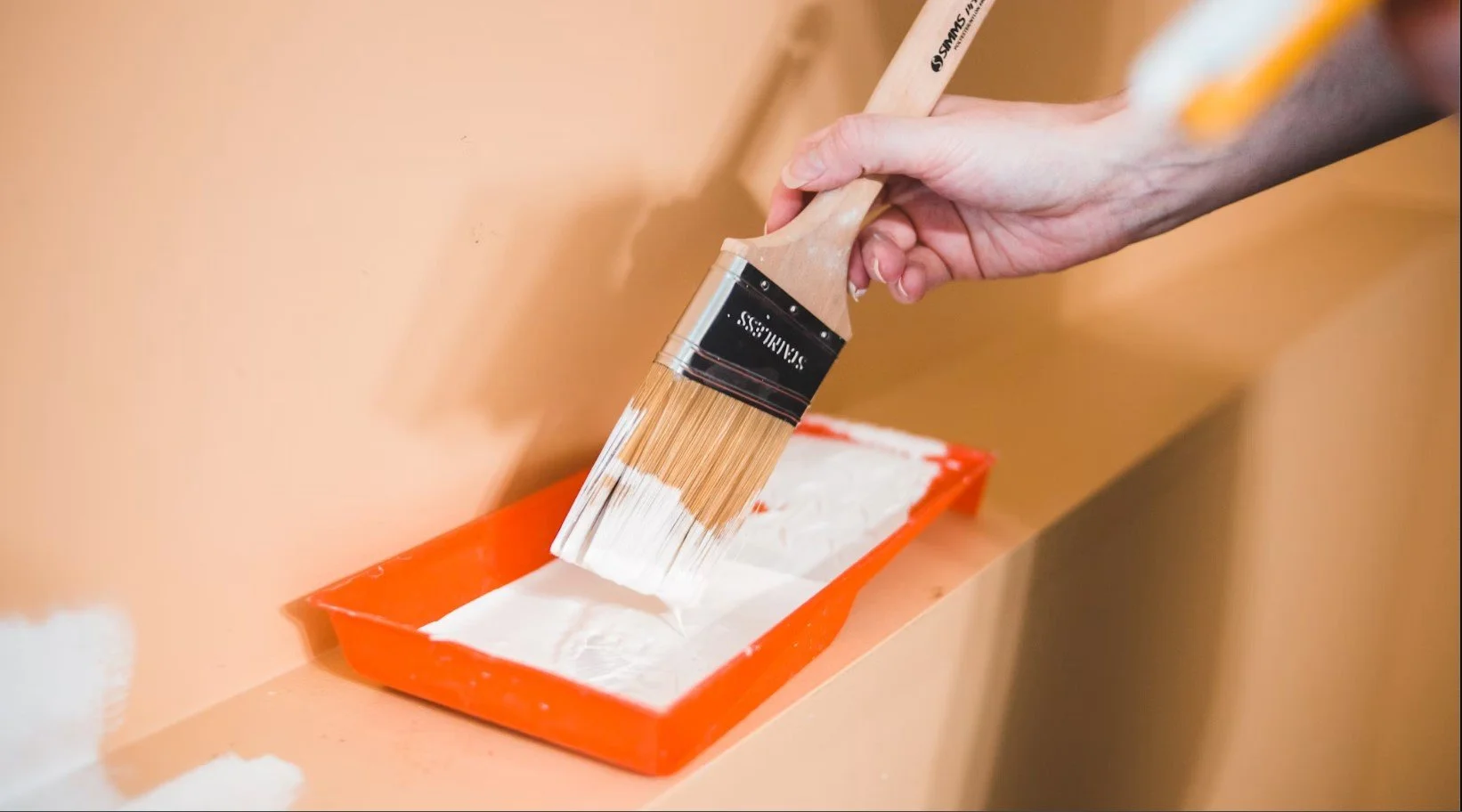
Small pits caused by rust are usually fine to paint over after priming, but deeper damage may need attention first.
If you're restoring decorative pieces or furniture, you can fill small imperfections with a metal repair filler designed for the job.
Large holes, cracked welds, or severely weakened sections are another story. Paint can't restore lost strength. Those areas may need welding, patching, or complete replacement.
Do You Need A Primer?
In most cases, yes. Primer creates a strong bond between the metal and the paint. It also helps seal the surface and slows future rust from forming.
A rust-inhibiting metal primer is usually the best choice for previously rusted surfaces. These products are designed to protect metal from moisture while improving paint adhesion.
Some paints are labeled as direct-to-rust products. These combine primer and paint into one coating and are made specifically for lightly rusted metal.
Also Read: KILZ 2 Primer Problems
When choosing a primer, keep these tips in mind:
Use a rust-inhibiting primer for most rusted metal projects.
Match the primer with the type of paint you'll use.
Allow the primer to dry fully before painting.
Apply thin, even coats instead of one heavy layer.
A quality primer often adds years to the life of the paint job.
Can You Paint Over Rust Without Sanding?
Sometimes, yes. If sanding isn't practical or you simply can't remove every bit of rust, a rust converter can help.
Rust converters react with existing rust and turn it into a more stable surface that can be painted. They don't magically remove corrosion, but they stop active rust from continuing in the same way.
This option works best for light to moderate surface rust.
Heavy, flaky rust should still be scraped or brushed away first. Rust converters perform much better when the surface has already been cleaned and loose material has been removed.
Some rust converters also act as a primer. A
Keep in mind that sanding still provides the strongest paint adhesion. If you have the time and tools, it's usually worth the effort.
How Long Will Painted Rusted Metal Last?
A properly prepared and painted metal surface can last anywhere from several years to well over a decade.
Indoor items usually last much longer because they're protected from rain, sunlight, and changing temperatures.Outdoor metal faces a tougher challenge. Constant exposure to moisture, UV rays, humidity, and temperature swings slowly wears down the protective coating.
Several factors affect how long the finish lasts, including:
The amount of surface preparation
The quality of the primer and paint
Local weather conditions
Regular cleaning and maintenance
Inspect outdoor metal every year. If you notice chipped paint, small rust spots, or scratches, touch them up quickly. Small repairs prevent larger problems from developing later.
Bottom Line
Yes, you can paint over rusted metal, but you must first scrape away loose flakes and apply a rust-inhibiting primer or rust converter.
While you do not need to remove all rust down to bare metal, any bubbling or flaking rust must be cleared to prevent the new paint from peeling.