7 KILZ 2 Primer Problems
KILZ 2 Primer is one of those products that many DIYers and professional painters keep on hand. It's affordable, easy to apply, dries quickly, and works well on a wide range of surfaces.
But like any paint product, things don't always go perfectly.
From peeling and bubbling to stains showing through and paint refusing to stick, a few common issues can leave you wondering what went wrong.
The good news is that many of these problems aren't caused by the primer itself.
In this guide, we'll go over the most common KILZ 2 primer problems, explain what causes them, and share simple tips to fix them.
#1. KILZ 2 Primer Peeling Or Flaking
One of the biggest frustrations is seeing the primer peel or flake after it dries. Instead of creating a strong foundation, it starts lifting from the surface, taking your hard work with it.
This usually happens because the surface wasn't properly prepared. Dirt, grease, dust, old chalky paint, or moisture can prevent the primer from bonding correctly.
Applying primer over loose or peeling paint can also lead to the same result.
The best fix is to remove the loose primer, sand the surface smooth, clean it thoroughly, and let everything dry completely before applying a fresh coat.

Taking a little extra time to prepare the surface almost always pays off.
Also Read: Can You Shellac Over Paint?
#2. Stains Bleeding Through KILZ 2 Primer
Many people assume any primer will completely hide stains, but that isn't always the case.
KILZ 2 is designed to block light to medium stains, not every stain imaginable.
Water stains, smoke damage, heavy nicotine stains, and tannin bleed from wood can sometimes show through even after the primer dries.
This often surprises homeowners who expected one coat to completely solve the problem.
If stains are still visible, try adding a second coat. If they continue bleeding through, it's usually a sign that you need a stronger oil-based or shellac-based stain-blocking primer instead of KILZ 2.
#3. Poor Coverage Or Uneven Finish
Sometimes KILZ 2 dries looking patchy, streaky, or uneven.
This doesn't necessarily mean the product is defective.
Porous surfaces like new drywall often absorb primer unevenly, leaving certain spots looking dull while others appear fully coated.
Using low-quality rollers, applying the primer too thinly, or failing to stir it well before use can also create an inconsistent finish.
A second coat is often enough to even things out. Using quality application tools and maintaining consistent roller pressure also helps create a smoother appearance.
Also Read: Painting From A 5 Gallon Bucket
#4. KILZ 2 Primer Not Sticking Properly
Adhesion problems can show up in several ways. The primer may:
Scratch off easily
Rub away with light pressure
Simply fail to bond to the surface
Glossy paint is one of the biggest culprits. Smooth, shiny surfaces don't give water-based primers much to grip unless they're lightly sanded first.
Greasy kitchen walls, wax residue, and leftover cleaning products can create similar problems.
Before priming, always wash the surface thoroughly and lightly sand glossy finishes. These extra steps create tiny scratches that help the primer lock onto the surface much more effectively.
#5. Bubbling, Cracking, Or Blistering Primer
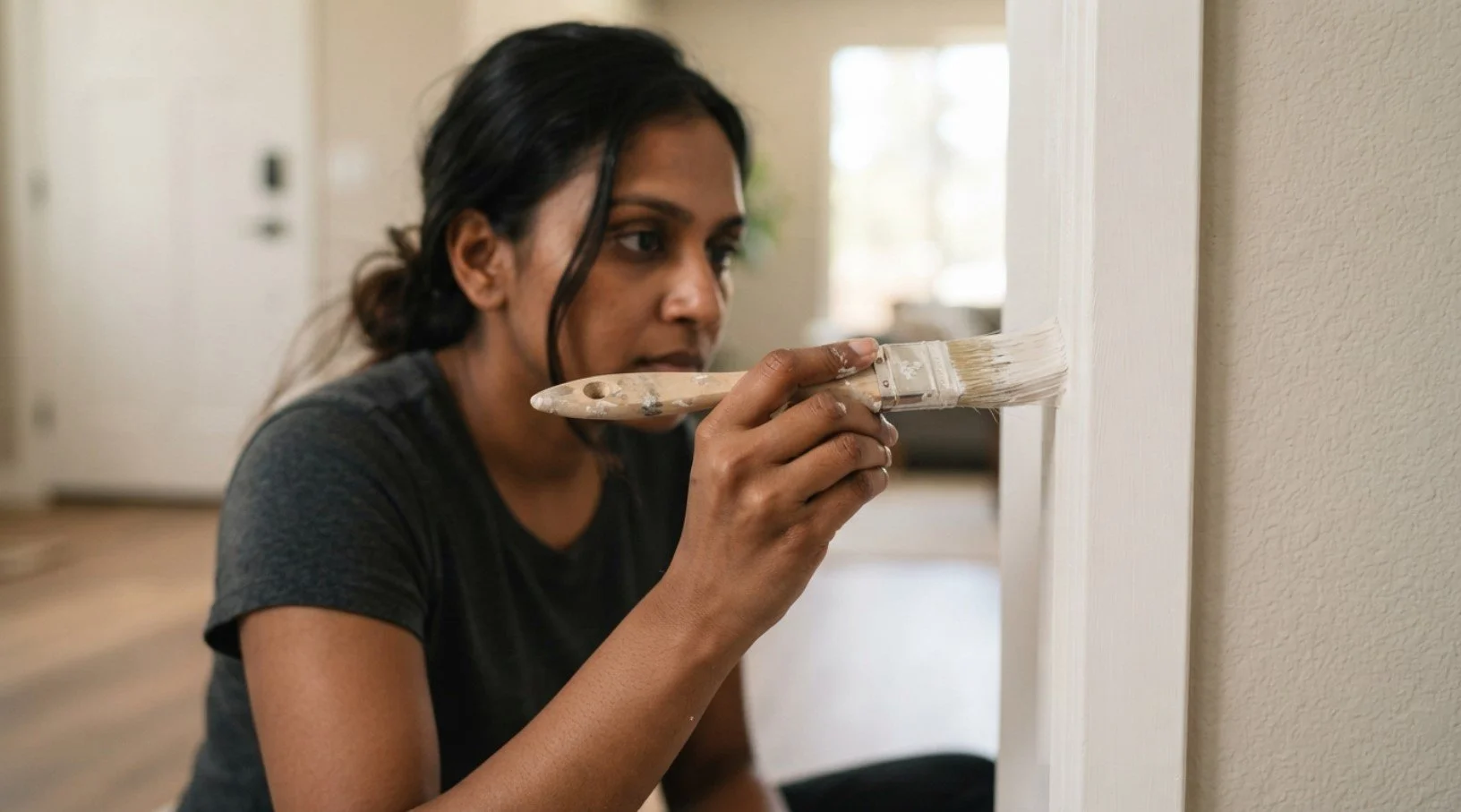
If bubbles or cracks appear after the primer dries, trapped moisture is often to blame.
Moisture inside drywall, wood, or masonry tries to escape, pushing against the fresh primer and creating bubbles or blisters.
Applying primer too heavily can also cause cracking as the thick layer dries unevenly. Painting during extremely hot, humid, or cold weather may make the problem even worse.
Unfortunately, these defects usually won't disappear on their own. The damaged primer should be scraped away, the surface allowed to dry completely, and a new coat applied under better conditions.
#6. Rough Or Textured Primer Surface
A rough finish can make the final paint job look less professional, especially if you're using satin or semi-gloss paint.
Dust settling on wet primer is one common reason. So is using old rollers that shed fibers or applying primer in windy conditions. Occasionally, the primer simply dries too quickly, leaving behind a slightly rough texture.
The good news is that this problem is fairly easy to fix.
Once the primer has fully dried, lightly sand it with fine-grit sandpaper, wipe away the dust, and apply another thin coat if necessary.
The surface should feel much smoother before you move on to painting.
Also Read: Can You Paint Over Chipped Paint?
#7. Paint Peeling After Applying Over KILZ 2
Sometimes the primer looks perfectly fine, but the paint starts peeling days or weeks later.
In many cases, the primer gets blamed even though something else caused the failure.
Painting before the primer has completely dried is a common mistake. Skipping surface preparation or applying paint over contaminated surfaces can also lead to peeling later on.
For the best results, allow the primer enough time to dry, follow the recommended recoat times, and make sure the surface is clean from the very beginning.
How To Apply KILZ 2 Primer Correctly To Avoid Problems
Many of these issues can be avoided with proper preparation. While it may be tempting to jump straight into painting, spending extra time on the prep work often makes the biggest difference.
Here are a few simple tips:
Clean surfaces thoroughly to remove dirt, grease, dust, and mildew.
Lightly sand glossy surfaces before priming.
Stir the primer well before and during use.
Apply thin, even coats instead of one heavy coat.
Allow the recommended drying time before painting.
Use quality brushes and rollers for a smoother finish.
It also helps to work in moderate temperatures with low humidity whenever possible.
Extreme weather conditions can affect how quickly the primer dries and how well it bonds to the surface.
When Should You Use A Different Primer Instead Of KILZ 2?
KILZ 2 is an excellent general-purpose primer, but it isn't designed for every project.
If you're dealing with severe water stains, heavy smoke damage, strong odors, or significant tannin bleed from cedar or redwood, you'll likely get better results from a specialty primer.
Oil-based and shellac-based primers are much better suited for blocking stubborn stains and odors that continue bleeding through standard water-based primers.
You may also want a different product for surfaces that require extra adhesion, such as slick laminate, glossy cabinets, or certain types of metal.
Bottom Line
KILZ 2 Primer is a reliable product for many interior and exterior painting projects, but it isn't immune to issues.
Peeling, uneven coverage, bubbling, rough texture, and stain bleed-through are among the most common KILZ 2 primer problems, and most of them come down to surface preparation, application technique, or using the primer outside its intended purpose.
Fortunately, these issues are usually easy to prevent like we said.