10 Zinsser 123 Primer Problems
If you've spent any time painting walls, cabinets, furniture, or trim, you've probably come across Zinsser Bulls Eye 1-2-3 Primer.
It's one of the most popular primers on the market, and for good reason.
Still, no primer is perfect. Like any paint product, Zinsser 1-2-3 has a few problems. But fortunately for us, most of these issues are easy to prevent.
In this post, we’ll go over the most common Zinsser 123 primer problems and how you can avoid them.
#1 Poor Adhesion On Glossy Surfaces
One of the biggest complaints is that the primer doesn't stick well to glossy surfaces.
You might notice peeling, chipping, or the primer lifting when you apply the topcoat.
This usually happens on shiny cabinets, laminate, glossy paint, or slick trim. These surfaces don't give the primer much to grab onto.
Before opening the primer, clean the surface thoroughly to remove grease, wax, dirt, and cooking oils. Then lightly sand the glossy finish using fine-grit sandpaper. You don't need to strip the old finish completely. You only need to dull the shine enough to create a better surface for the primer.
Taking a little extra time during prep can save hours of repainting later.

#2 Flashing Or Uneven Finish
After the paint dries, you may notice some spots look shinier while others appear dull.
This is known as flashing. The problem usually starts with uneven primer coverage. Some areas absorb more paint than others, creating an inconsistent finish.
To reduce flashing, apply the primer in smooth, even coats. Don't rush through the job or leave thin patches. Once the primer has dried completely, inspect the surface before adding paint.
If you notice uneven coverage, apply another coat before moving on.
A consistent primer coat usually leads to a much smoother final finish.
#3 Bleed-Through From Stains
Zinsser 1-2-3 is designed to block many everyday stains, but it has limits.
Heavy water stains, smoke damage, nicotine stains, ink, and wood knots can sometimes bleed through the primer. Even after painting, yellow or brown discoloration may slowly reappear.
If you're covering severe stains, this primer may not be the best choice. Shellac-based or oil-based stain-blocking primers are much stronger for these difficult situations.
Using the right primer from the beginning often saves you from applying several extra coats later.
#4 Raised Wood Grain
Since Zinsser 1-2-3 is water-based, it can raise the grain on unfinished wood.
After the primer dries, the surface may feel rough even if it looked perfectly smooth beforehand.
Thankfully, this problem is simple to fix. Let the primer dry fully, then lightly sand the surface with fine-grit sandpaper. Wipe away the dust before applying paint.
Many professional painters expect this on bare wood, so don't panic if it happens. It's a normal part of working with water-based primers.
Also Read: KILZ 2 Primer Problems
#5 Brush Marks
Visible brush strokes are another Zinsser 123 primer problem.
Brush marks usually appear because the primer dries fairly quickly. Going back over areas that have already started drying can leave noticeable streaks.
Here are a few simple ways to reduce brush marks:
Use a high-quality synthetic brush.
Work in small sections.
Avoid over-brushing after the primer begins drying.
Use a foam roller on large flat surfaces for a smoother finish.
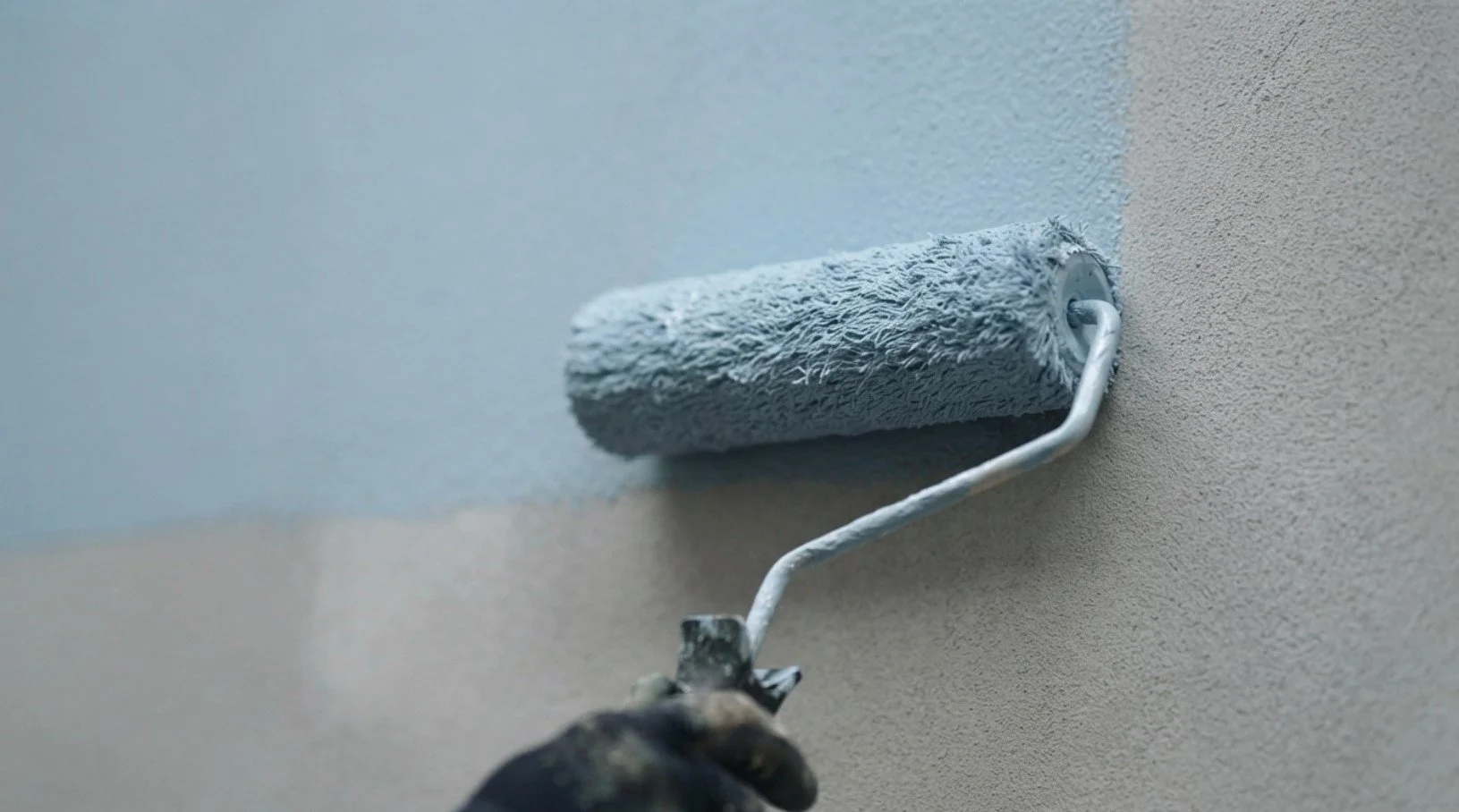
Good tools can make a surprising difference.
#6 Slow Drying In Humid Conditions
Although Zinsser 1-2-3 is known for quick drying, humidity can completely change that.
High moisture levels in the air slow the evaporation process. Cold temperatures can have the same effect. Instead of drying in about an hour, the primer may stay tacky for several hours.
If possible, paint when temperatures are moderate and humidity is low. Good ventilation also helps speed up drying.
Trying to apply paint before the primer is fully dry can create even bigger problems later.
Also Read: What Should You NOT Use 30 Second Cleaner On?
#7 Doesn't Hide Dark Colors Well
Many people expect primer to completely cover dark paint after one coat.
That's not really its job.
Zinsser 1-2-3 is mainly designed to improve adhesion and provide a solid surface for paint.
While it does improve coverage, it isn't made to completely hide deep reds, dark blues, black walls, or bold accent colors in a single coat.
You may need two coats of primer followed by two coats of paint to completely cover darker colors.
Patience usually produces much better-looking results than trying to force everything into one heavy coat.
#8 Tannin Bleeding On Certain Woods
Some wood species naturally contain tannins that can seep through water-based primers. Cedar, redwood, mahogany, and similar woods are common examples.
Over time, yellow or brown stains may appear through the paint, even if everything looked perfect at first.
Unfortunately, adding more paint often won't solve the problem.
A shellac-based primer is usually a much better choice for these woods because it seals the tannins more effectively.
Knowing the type of wood you're working with can help you avoid this frustrating issue.
#9 Cracking Or Peeling
If your primer starts cracking or peeling after it dries, the problem often started before you even opened the can.
Loose paint, dusty surfaces, grease, or applying the primer too heavily can all cause failure.
To help prevent peeling:
Remove loose or flaking paint.
Clean the surface thoroughly.
Apply thin, even coats instead of one thick coat.
Allow the recommended drying time before painting.
Skipping preparation may save a few minutes today, but it often creates much bigger problems down the road.
Also Read: Can You Paint Satin Over Eggshell?
#10 Limited Rust Protection
Zinsser 1-2-3 can be used on some metal surfaces, but it isn't a heavy-duty rust-prevention primer.
If you're painting metal that already has rust, simply covering it with this primer usually isn't enough.
Start by removing as much loose rust as possible using a wire brush or sandpaper. Then apply a dedicated rust-inhibiting primer before adding your finish coat.
This extra step provides much better long-term protection, especially for outdoor metal surfaces exposed to rain and humidity.
Is Zinsser 1-2-3 A Good Primer?
For most painting jobs, the answer is yes.
Zinsser 1-2-3 has earned its reputation because it's easy to use and works on many different surfaces.
It sticks well to drywall, wood, masonry, previously painted surfaces, and several types of metal. It also has a low odor, cleans up with soap and water, and works under both latex and oil-based paints.
That said, it's important to understand what this primer is designed to do.
It's a general-purpose bonding primer, not a specialty stain blocker or rust treatment.
If your project involves severe water stains, heavy smoke damage, cedar siding, or rusty steel, another primer designed for those specific situations will usually deliver better results.
For everyday home projects like walls, trim, doors, furniture, and cabinets with proper preparation, Zinsser 1-2-3 remains a dependable option.
Bottom Line
Zinsser Bulls Eye 1-2-3 Primer is a solid all-around product, but it isn't completely free from problems.
Most issues, including poor adhesion, stain bleed, raised wood grain, brush marks, and peeling, are linked to surface preparation or using the primer outside its intended purpose.
The best results come from cleaning the surface well, sanding glossy finishes, applying thin and even coats, and allowing enough drying time before painting.
Choosing a specialty primer for heavy stains, tannin-rich wood, or rusty metal also makes a big difference.