Can You Shellac Over Paint? (Yes - Guide)
Thinking about using shellac over a painted surface but not sure if it's a good idea?
You're definitely not alone.
Shellac has been around for a long time and is known for its excellent sealing properties, but it isn't always the right finish for every project. Knowing when to use it and how to apply it properly can save you from peeling, streaks, or disappointing results.
In this guide, you'll learn if you can shellac over paint, when it's a smart choice, when to avoid it, and the simple steps to get a smooth, long-lasting finish.
Can You Shellac Over Paint?
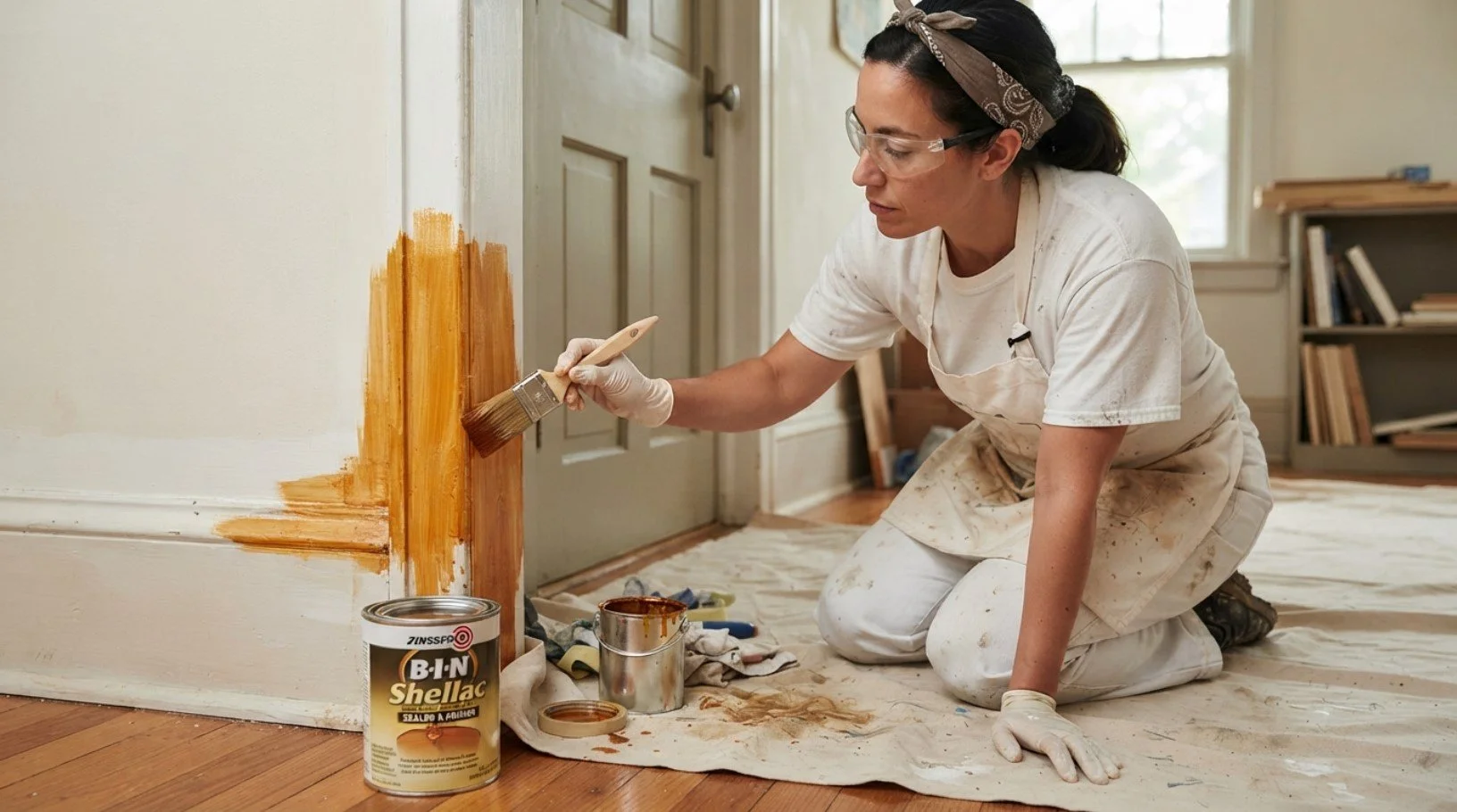
Yes, you can shellac over paint as long as the paint has fully cured and the surface is properly prepared. Shellac sticks well to most painted surfaces, including latex and oil-based paint, making it a popular choice for sealing and priming.
That said, shellac isn't the toughest clear finish available.
While it dries hard, it's still sensitive to moisture, heat, and alcohol.
So if you're finishing a dining table, kitchen countertop, or bathroom cabinet, another product like polyurethane may last much longer.
Another thing to keep in mind is color. Traditional shellac has a warm amber tone that can slightly change the appearance of lighter paint colors.
If you're working with white or pastel paint, using a clear or dewaxed shellac is usually the better option.
Also Read: Paint Smells Like Rotten Eggs
When You Should Avoid Shellac Over Paint
Shellac is a great finish for many indoor projects, but it isn't the right choice for every surface. Here are the times when it's simply not the best finish to use:
Surfaces exposed to frequent moisture (bathrooms, kitchen backsplashes, or outdoor furniture)
Areas that regularly come into contact with hot items
High-traffic furniture like tabletops, desks, and cabinets that need better scratch resistance
Freshly painted surfaces that haven't fully cured yet
Outdoor projects exposed to rain, direct sunlight, and changing temperatures
Pieces that need a highly durable, low-maintenance protective finish for everyday use
In these situations, choosing a tougher clear finish can save you time and frustration down the road.
How To Apply Shellac Over Paint
Applying shellac isn't difficult, but taking your time during preparation will give you much better results. Here’s how to do it like a PRO:
#1 Let The Paint Fully Cure
Before you do anything else, make sure the paint has completely cured.
This is different from simply drying to the touch.
Depending on the type of paint, curing can take anywhere from several days to a few weeks. If you're unsure, check the paint manufacturer's recommendations.
Applying shellac too early can lead to peeling, bubbling, or poor adhesion.
Waiting a little longer now is much easier than fixing a failed finish later.
#2 Clean The Painted Surface
Even if the paint looks clean, it's a good idea to wipe it down before applying shellac.
Dust, fingerprints, grease, cooking oils, and other residue can prevent shellac from bonding properly.
Use a mild cleaner and a soft cloth, then allow the surface to dry completely before moving on.
A clean surface gives shellac the best chance of sticking evenly.
#3 Lightly Sand For Better Adhesion
Next, lightly sand the painted surface using fine-grit sandpaper (around 220 grit).
You aren't trying to remove the paint. The goal is simply to dull the glossy finish and create tiny scratches that help the shellac grip the surface better.
Take your time and sand evenly across the entire area.
This small step can make a noticeable difference in the final result.
Also Read: Can You Tile Over Paint?
#4 Remove All Sanding Dust
Once you've finished sanding, remove every bit of dust.
Use a vacuum, microfiber cloth, or tack cloth to clean the surface thoroughly.
Even tiny dust particles can become trapped under the shellac, leaving bumps and rough spots that are difficult to fix later.
It only takes a few extra minutes, but it helps create a much smoother finish.
#5 Apply A Thin Coat Of Shellac
Now it's time to apply the shellac.
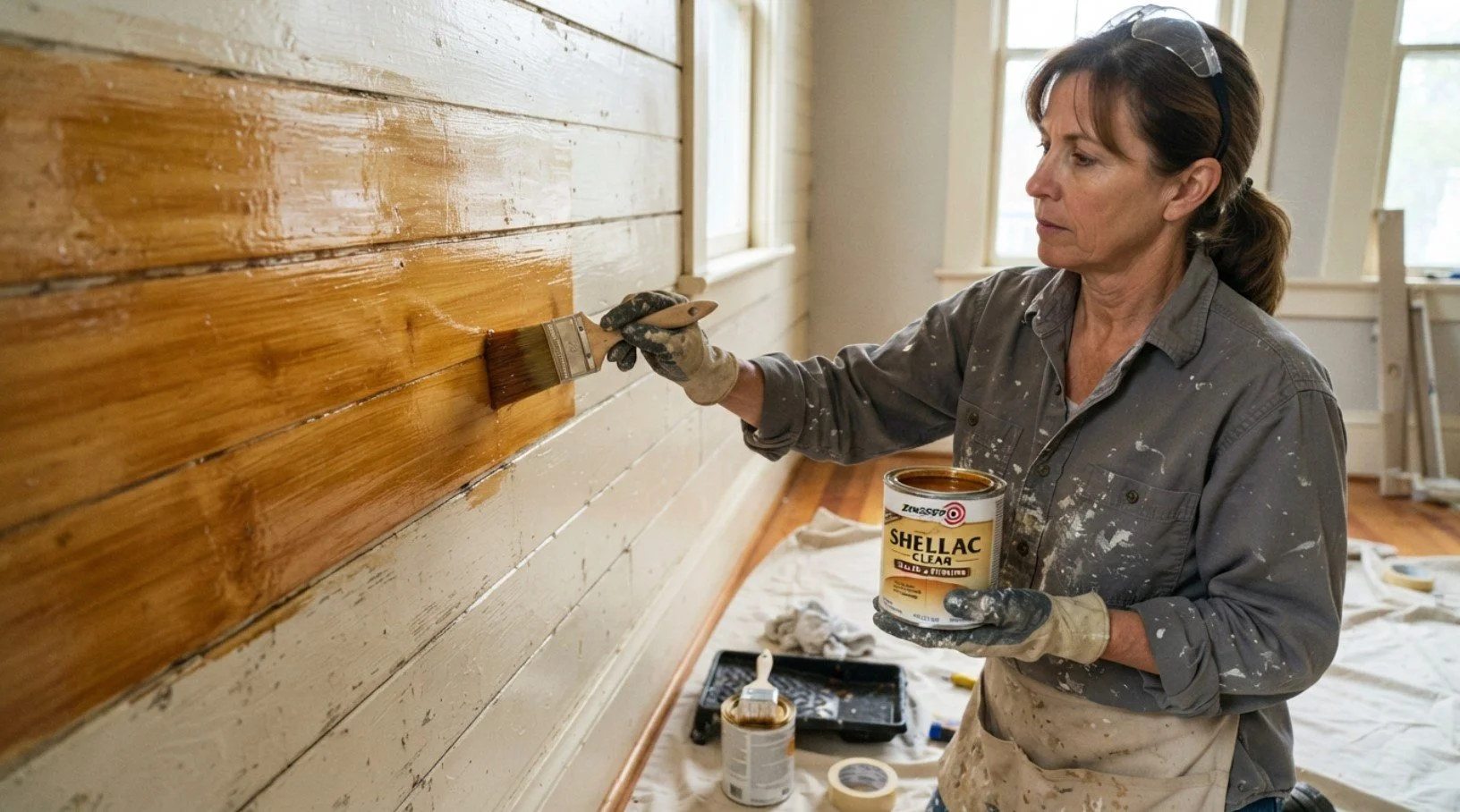
Use a high-quality natural-bristle brush or a foam applicator, depending on the project. Apply thin, even coats instead of trying to cover everything in one heavy layer.
Shellac dries very quickly, so work steadily without repeatedly brushing over areas that have already started drying.
Going back over partially dried shellac can leave visible brush marks and streaks.
Thin coats almost always look better than thick ones.
Also Read: What Should You NOT Use 30 Second Cleaner On?
#6 Let It Dry Completely
One of shellac's biggest advantages is its fast drying time.
Most coats become dry to the touch within 30 to 60 minutes, although cooler temperatures or higher humidity can extend that time.
Even though it dries quickly, give it enough time before sanding or adding another coat.
Patience during drying helps create a stronger and smoother finish.
#7 Add Additional Coats If Needed
If you want extra protection or a richer finish, apply one or two more thin coats.
Lightly sand between coats with very fine sandpaper to smooth out any small imperfections.
Then wipe away the dust before applying the next coat.
Most projects only need two or three coats. Adding too many thick layers usually doesn't improve the finish and can actually make it look uneven.
Once the final coat has dried, allow it to cure before putting the surface back into regular use.
Bottom Line
Yes, you can shellac over paint, and in many cases, it works extremely well. It's a great option for sealing painted surfaces, blocking stains and odors, or preparing a surface for another finish.
The biggest factors are making sure the paint has fully cured, cleaning and lightly sanding the surface, and applying several thin coats instead of one thick one.
Follow those simple steps, and you'll have a smooth, attractive finish that lasts much longer.
Just remember that shellac isn't designed for every project. Areas exposed to lots of moisture, heat, or heavy daily use are usually better protected with a more durable finish. Pick the right product for the job, and you'll be much happier with the results.