Can You Paint Acrylic Over Latex? (Complete Guide)
If you're planning a painting project, it's easy to get stuck wondering if different types of paint can work together. Maybe you have leftover acrylic paint in the garage, or you're updating a room that already has latex paint on the walls.
The good news is that this combination is usually much simpler than people expect.
As long as you prepare the surface the right way, acrylic paint can bond nicely to latex paint and give you a smooth, long-lasting finish.
In this post, we’ll show you how to paint acrylic over latex like a PRO.
Can You Paint Acrylic Over Latex?
Yes, you can paint acrylic over latex. In fact, it's a very common approach for both indoor and outdoor painting projects.
Acrylic paint sticks well to latex-painted surfaces, provided the old paint is clean, solid, and properly prepared.
A lot of people think acrylic and latex paints are completely different products that can't work together. That's not really the case. Both are water-based paints, and many modern latex paints actually contain acrylic resins.
That's one reason they tend to be compatible.
The biggest concern isn't the paint itself, it's the condition of the existing surface.
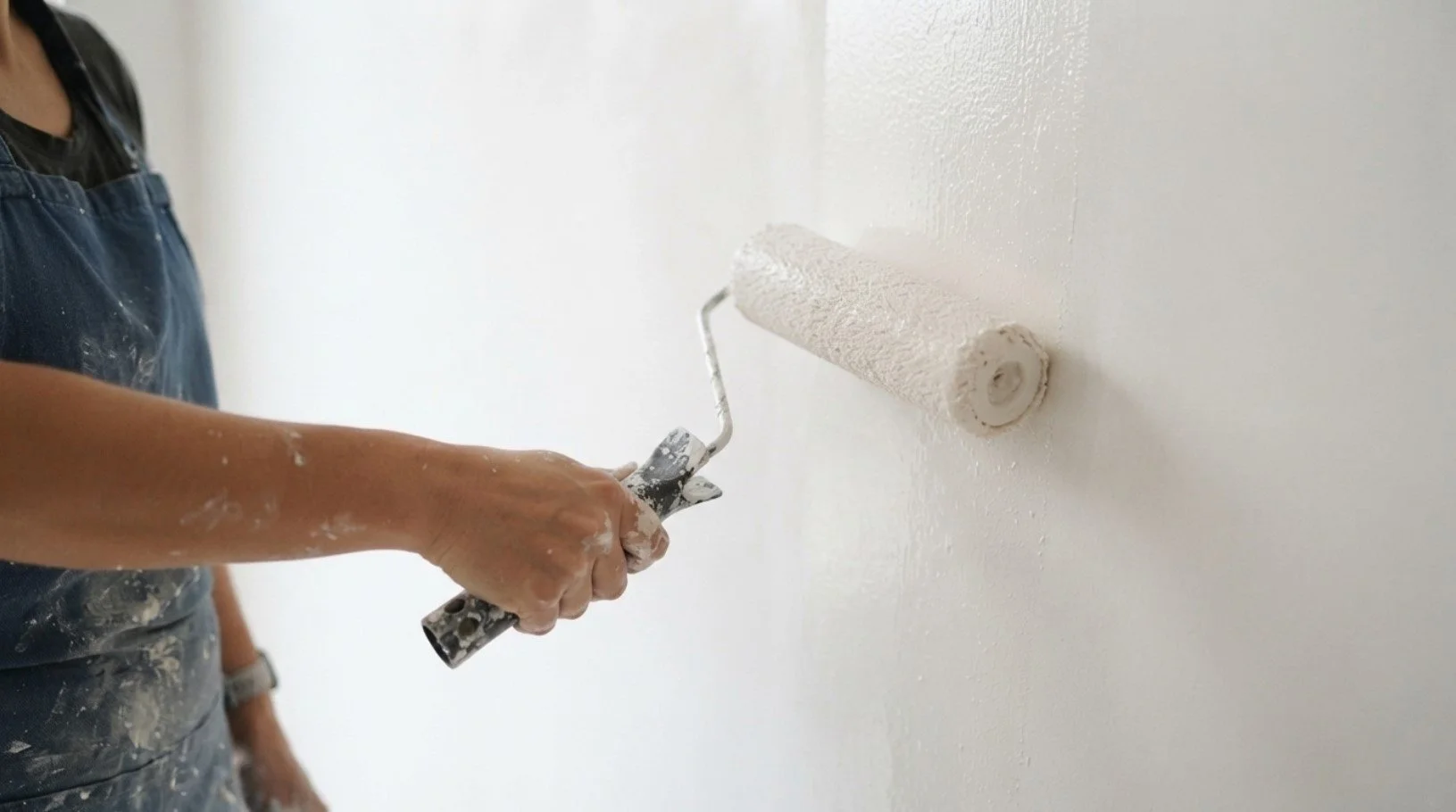
If the latex paint is peeling, dirty, greasy, or extremely glossy, the new acrylic paint may not bond as well as it should.
Also Read: Can You Paint Over Chipped Paint?
When You Should Prime Before Painting Acrylic Over Latex
Primer isn't necessary for every paint job, but some situations call for it.
Here’s when we recommend using it:
The existing latex paint has a glossy or semi-gloss finish.
You've repaired holes, cracks, or other damaged areas.
You're covering a dark color with a much lighter one.
The wall has stains that could bleed through the new paint.
The surface is porous or has exposed drywall.
The existing paint is old, chalky, or has uneven absorption.
Using primer in these cases can improve adhesion, coverage, and the overall finish.
How To Paint Acrylic Over Latex
Here’s how to paint acrylic over latex paint:
Step 1: Clean The Surface And Repair Any Damage
Start by cleaning the entire surface with mild soap and water or a suitable household cleaner. Dust, cooking grease, fingerprints, and other grime can prevent paint from sticking properly, even if you can't easily see them.
Once everything is clean, inspect the surface for peeling paint, nail holes, dents, or small cracks. Scrape away any loose paint and fill damaged areas with spackle or wood filler if needed.
Allow all repairs to dry completely before moving on. It might feel like an extra step, but it makes a huge difference in the final appearance.
Step 2: Lightly Sand The Surface
After the surface is clean and repaired, lightly sand it using fine-grit sandpaper.
Simply to dull the finish enough for the acrylic paint to grab onto it.
This step becomes especially important if you're painting over semi-gloss or gloss latex paint. Those smooth finishes don't naturally provide much grip for fresh paint.
After sanding, wipe away all the dust with a damp cloth or tack cloth before opening your paint can.
Also Read: Painting From A 5 Gallon Bucket
Step 3: Apply Primer (If Needed)
If your project calls for primer, apply a thin, even coat across the surface.
Avoid putting it on too heavily. Thick primer can create texture issues and may take longer to dry.
Follow the drying time listed on the product label before applying paint. Giving the primer enough time to dry helps create a stronger bond and a smoother finish.
Even if primer adds an extra step, it often saves time later because you'll usually need fewer coats of paint.
Step 4: Apply The Acrylic Paint
Now it's time for the fun part.
Stir the acrylic paint well before using it so the color stays consistent from start to finish.
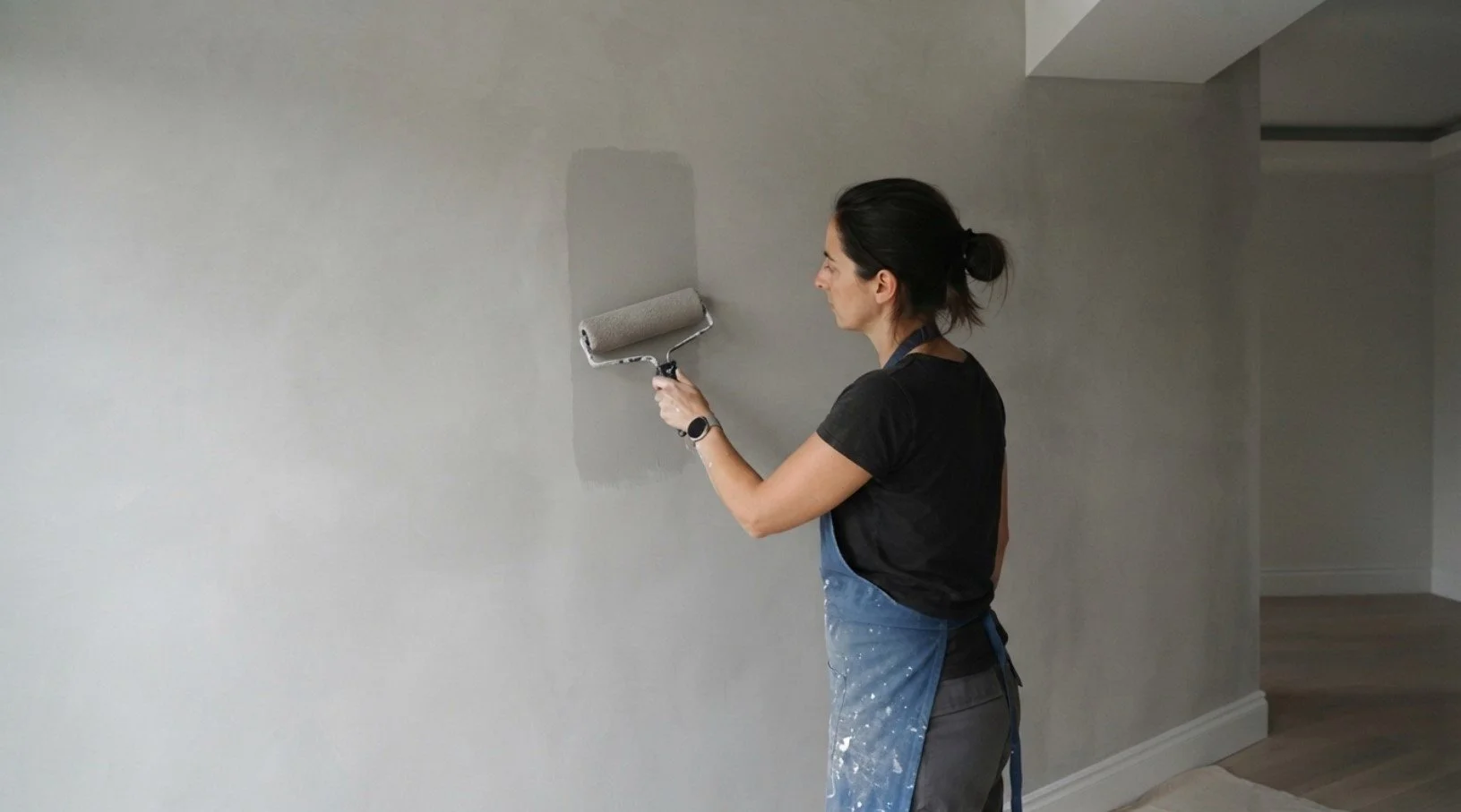
Apply thin, even coats instead of one heavy coat. It may seem faster to load on more paint, but thick coats can leave brush marks, roller lines, and uneven drying.
For the best finish:
Use a quality roller for large, flat areas.
Use a brush around corners, trim, and edges.
Let each coat dry fully before adding another.
Most projects look their best after two coats, although some colors may need an extra one for complete coverage.
Step 5: Let The Paint Cure Properly
Once the painting is finished, resist the temptation to immediately clean or scrub the surface.
Paint can feel dry after just a few hours, but curing takes much longer. During this time, the paint continues hardening and becomes more durable.
Avoid placing furniture against freshly painted walls or washing the surface until the paint has fully cured.
Also Read: Can You Paint Semi Gloss Over Flat Paint?
Common Problems We See When Painting Acrylic Over Latex
Painting acrylic over latex is usually straightforward, but skipping proper preparation can lead to disappointing results.
Here are the most common problems:
Poor adhesion because the surface wasn't cleaned or sanded.
Peeling or flaking caused by loose or failing latex paint underneath.
Uneven coverage over dark colors, repairs, or stained areas.
Brush marks or roller streaks from applying the paint too heavily.
Flashing or patchy spots caused by uneven paint absorption.
Bubbling or blistering from painting over a damp or dirty surface.
Visible lap marks because sections dried before blending together.
Chipping around edges and trim due to inadequate surface preparation.
Does It Matter If The Paint Is Interior Or Exterior?
Yes, it absolutely does.
Interior acrylic paint is designed for indoor spaces where the biggest concerns are appearance, easy cleaning, and everyday wear. Exterior acrylic paint is built to handle sunlight, rain, changing temperatures, and moisture.
Using interior paint outside usually leads to faster fading, peeling, and damage because it isn't made for harsh weather conditions.
Likewise, exterior paint isn't always the best choice for indoor living spaces.
While it can be durable, interior paints are specifically formulated for indoor environments and typically provide a smoother finish for walls and ceilings.
The simplest rule is to match the paint to the location you're painting. That alone can add years to the life of your finish.
Bottom Line
Painting acrylic over latex is completely possible, and it's something many homeowners do without any problems.
As long as the existing latex paint is in good shape and you spend a little time preparing the surface, acrylic paint can bond well and produce a durable, attractive finish.
Clean thoroughly, repair any damage, lightly sand glossy areas, and use primer when needed.
After that, apply thin coats of acrylic paint and give them enough time to cure properly.
Follow these simple steps, and you'll end up with a finish that looks smooth, lasts longer, and makes all your hard work worth it.